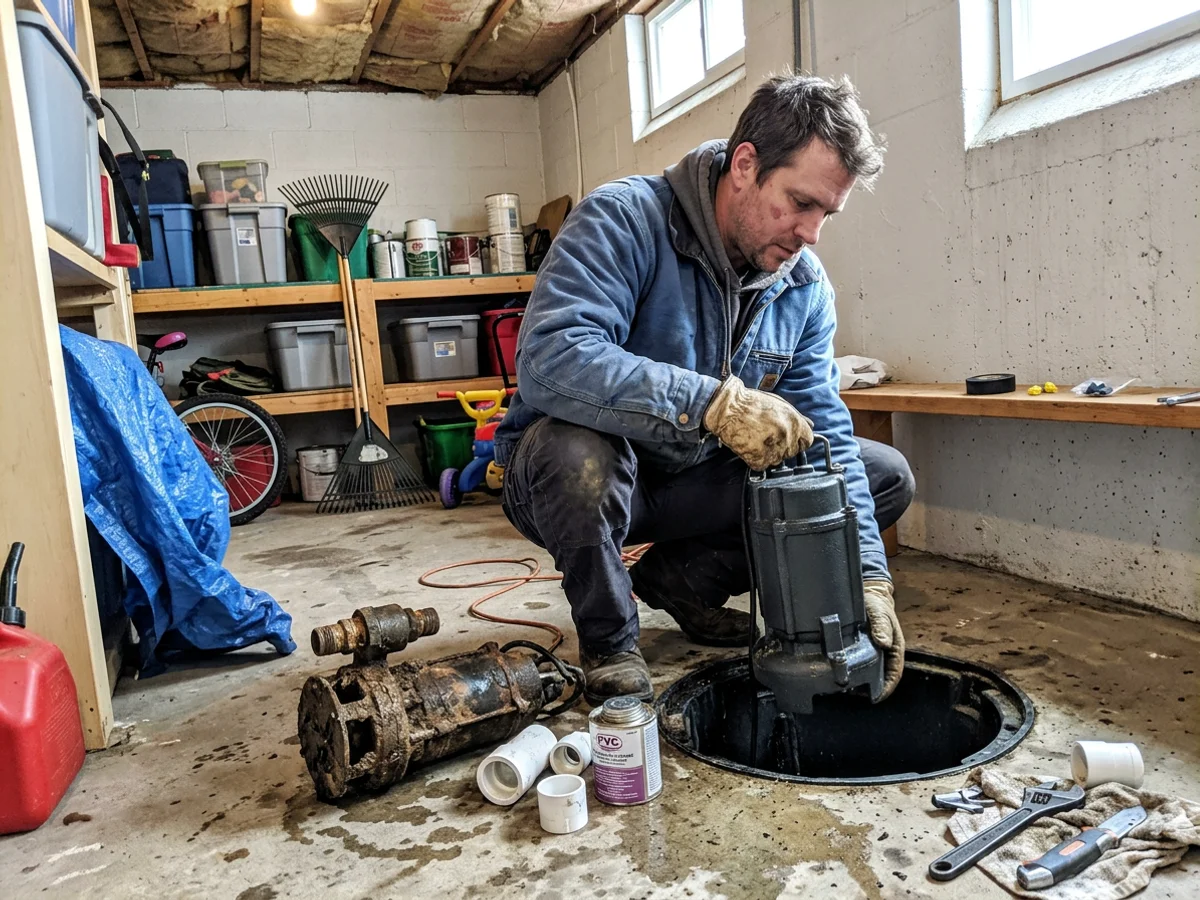
What Is a Submersible Sump Pump?
Have you ever laid awake listening to a heavy rainstorm, worrying about your basement flooding? That sinking feeling is something many Canadian homeowners know all too well. A reliable submersible sump pump installation is the secret to sleeping soundly through the worst storms.
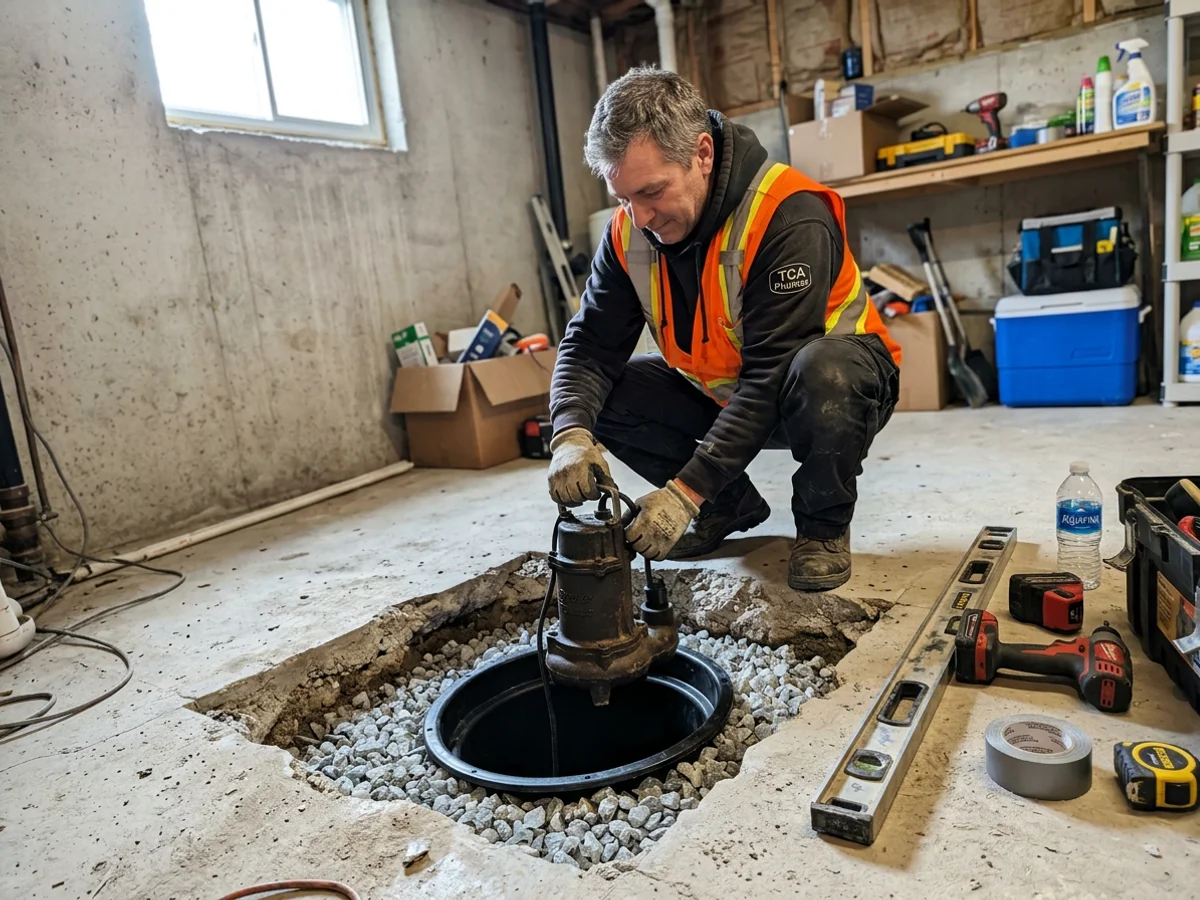
We specialize in sump pump installation across Toronto, fitting top-tier cast iron submersibles from brands like Zoeller, Liberty, Hydromatic, and Pentair Myers.
Here is why this hidden design works so well:
- The surrounding water keeps the sealed motor perfectly cool.
- A powerful vortex impeller quickly pushes water out of the house.
- The heavy, sealed lid keeps damp smells out of your living space.
We can help you get this setup right the first time. If your home does not have a pit yet, check out our interior sump pump installation page. That guide covers cutting a new pit, which is a great step toward qualifying for the City of Toronto Basement Flooding Protection Subsidy Program.
This generous local subsidy offers up to $2,250 for sump pump installations in 2026. Let me walk you through the details so you can make the best choice for your property.
Submersible vs Pedestal Sump Pump
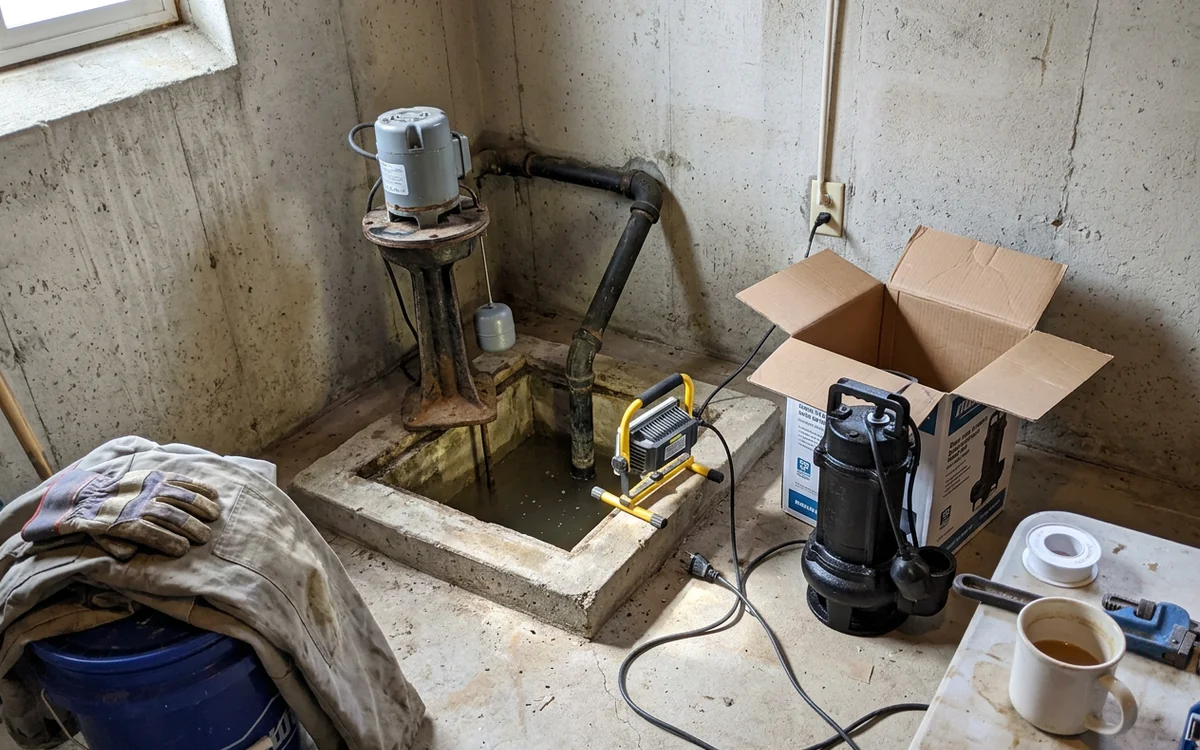
Choosing the right design makes a huge difference in your daily comfort. Many older homes still rely on pedestal pumps. The motor on a pedestal unit sits up high on a column above the pit.
Our team often replaces these loud pedestal models because they run in the open air and cause a lot of noise. Upgrading to a submersible model means the motor is buried under the water level. This clever design creates a natural sound barrier.
You will immediately notice how much quieter a submersible unit is.
| Submersible | Pedestal | |
|---|---|---|
| Motor location | Inside the pit, under water | On a column above the pit |
| Noise | Quiet, especially under a sealed lid | Louder, motor runs in open air |
| Cooling | Water and oil-filled housing | Air only |
| Flow | Usually higher for the same HP | Usually lower |
| Service access | Lift out of the pit | Easier to reach |
| Typical lifespan (cast iron) | 15-20 years | Varies widely |
Cast Iron vs Plastic Sump Pumps
Materials matter a lot when protecting your home from water damage. Plastic or thermoplastic pumps might look appealing due to their lower price tag. Heat is the main enemy of any pump motor during a long Ontario spring thaw.
We always recommend cast iron models like the Zoeller M53 or Liberty 257 for serious flood protection. A cast iron, oil-filled housing moves heat away from the motor quickly and efficiently. A plastic casing actually traps that destructive heat inside the unit.
That thermal difference is the main reason cast iron pumps typically last 10 to 15 years, while plastic fails in 5 to 7. Here are a few quick reasons to choose heavy-duty cast iron:
- Superior heat dissipation during continuous rainstorms.
- Heavier weight keeps the unit anchored safely in the pit.
- Better resistance to corrosion and rust over a decade of use.
1/3 HP vs 1/2 HP: Which Size?
Bigger is not always better for household drainage systems. A common mistake is buying the most powerful pump on the shelf. Too much horsepower can actually cause severe damage to your system.
We size every new unit strictly from a professional flow test. Oversizing leads to short cycling, which means the pump turns on and off every few seconds. This constant switching will quickly destroy a brand new motor.
For one Chinatown customer, we sized a 1/3 HP Liberty pump to the pit’s actual inflow instead of installing a massive 1/2 HP unit. The damaging short cycling stopped within a single day.
| Situation | Usual choice |
|---|---|
| Typical Toronto bungalow, moderate spring inflow | 1/3 HP (around 50 GPM) |
| Pit fills in a minute or two during a thaw | 1/2 HP |
| Discharge lifts more than about 10 ft | 1/2 HP |
| Narrow 18 in basin, light inflow | 1/3 HP with a vertical float |
You must also consider the physical size of your basin. A tethered float switch can easily get stuck against the wall in pits narrower than 15 inches. A vertical float is the smartest choice for tight spaces because it moves straight up and down.
What Drives the Cost?
Pricing out a new system involves looking at your current setup. A simple replacement job is very different from digging a brand new trench. Understanding these factors helps you budget accurately for 2026.
Essential Equipment Upgrades
The type of hardware you select forms the base of your total bill. A standard 1/3 HP submersible unit is much more affordable than a commercial grade 1/2 HP high-flow model.
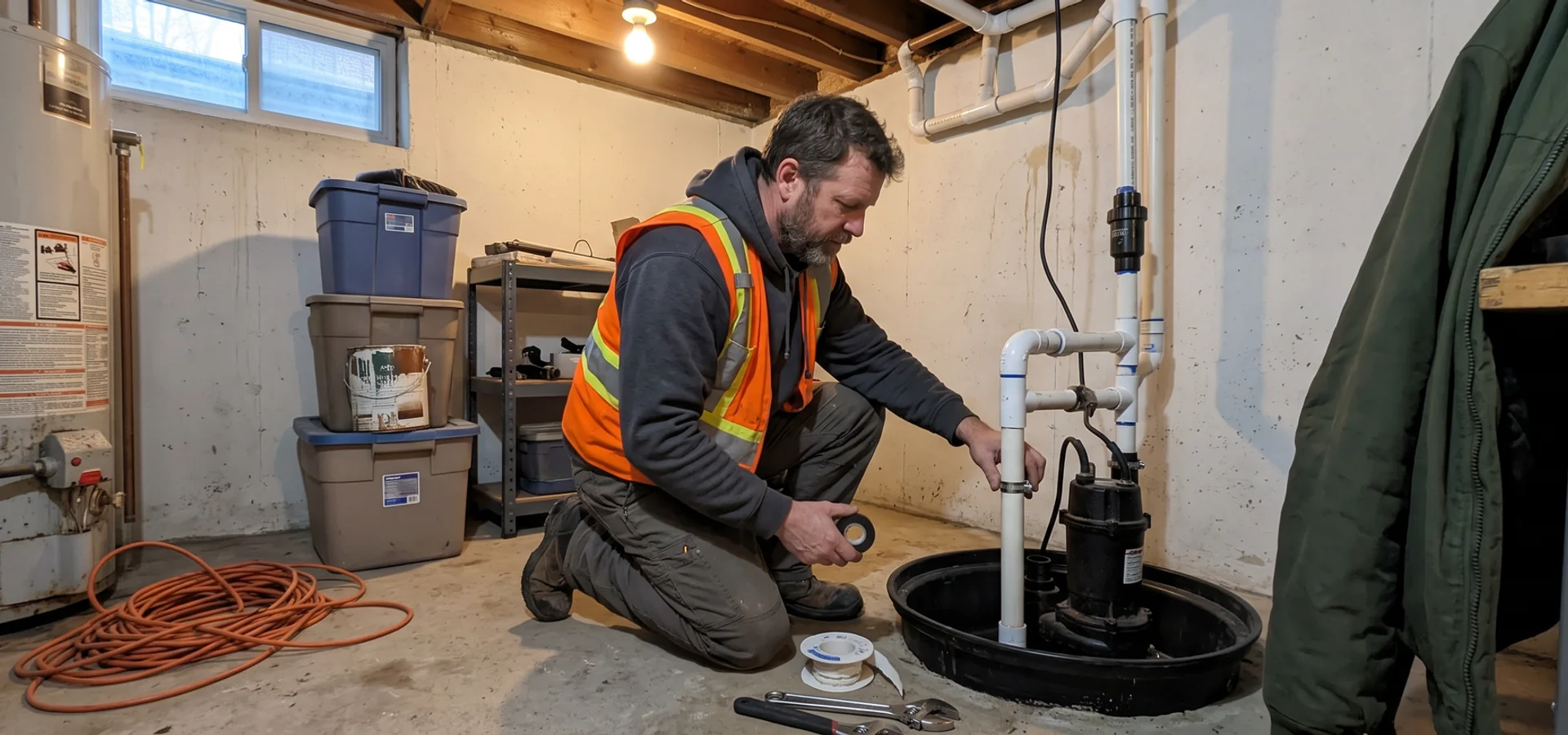
We also look at the condition of your existing discharge line. Adding a brand new check valve in 2026 typically adds about $150 to $300 to the installation cost. A check valve is vital because it stops discharged water from flowing right back into the pit.
Labour and Site Conditions
Your final cost depends heavily on the physical labour required. Swapping an old submersible for a new one takes less time and keeps labour costs low.
Our installation crew must spend significantly more time on site if we are removing an old pedestal setup or cutting concrete. Installing a new airtight sealed lid also takes extra precision to keep radon gas and odors locked away.
| Cost factor | Lower end | Higher end |
|---|---|---|
| Horsepower | 1/3 HP | 1/2 HP high flow |
| Old pump type | Like-for-like submersible | Pedestal removal and upgrade |
| Lid | Existing lid reused | New airtight sealed lid |
| Discharge | Existing line in good shape | New check valve and coupling changes |
When Should You Choose a Submersible Upgrade?
Timing your upgrade perfectly can save your finished basement from total ruin. You should upgrade immediately when your old pedestal pump fails or becomes too noisy to hear the television upstairs.
Here are the most common signs it is time for a brand new system:
- Your existing plastic pump is over seven years old.
- The motor makes loud grinding or whining noises.
- You notice a damp, musty smell lingering near the pit.
- The system runs constantly without emptying the basin.
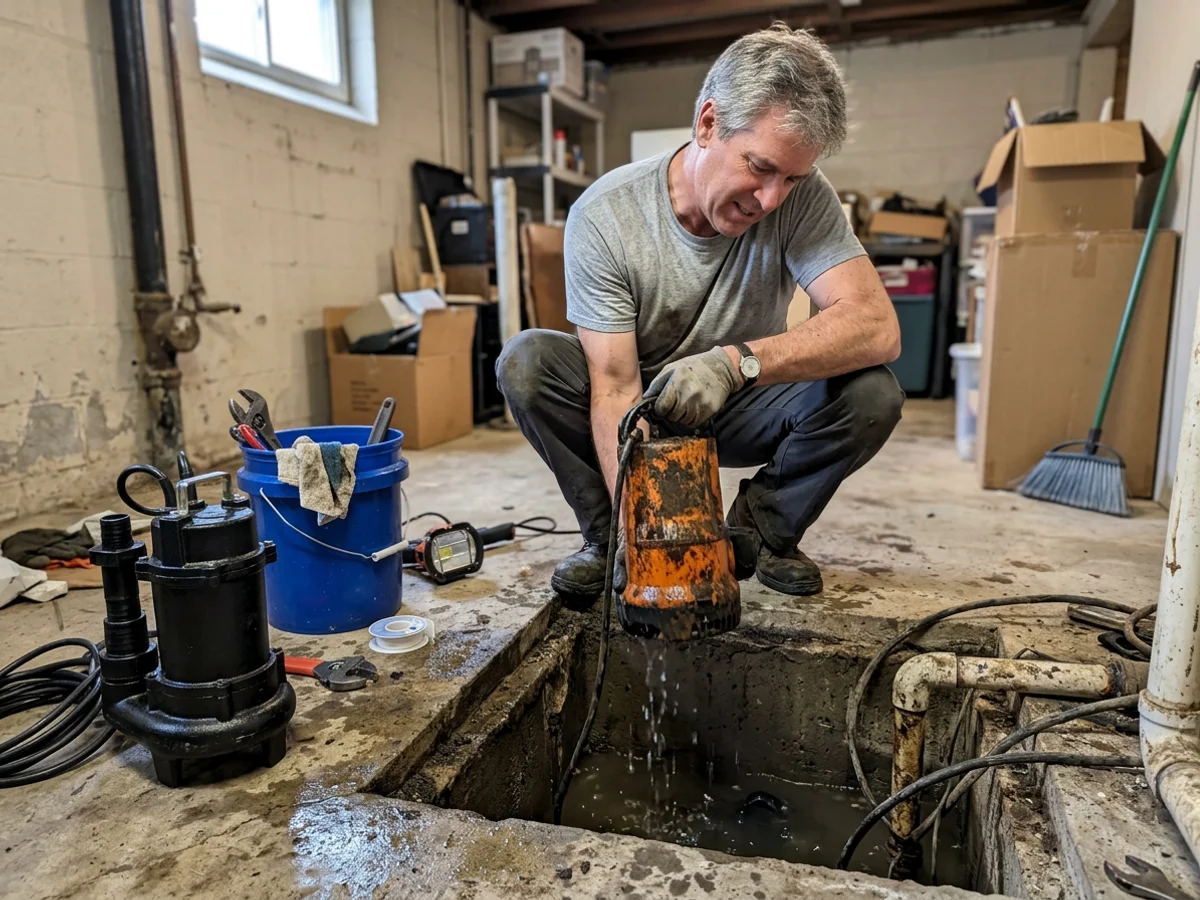
We highly recommend replacing aging equipment before the next major storm hits. For pumps that have already died, our sump pump replacement service covers the full swap. This service is available the same day where possible to protect your property.
You can also take advantage of financial help from the local government. The 2026 Toronto Basement Flooding Protection Subsidy Program can offset up to $2,250 of your installation costs.
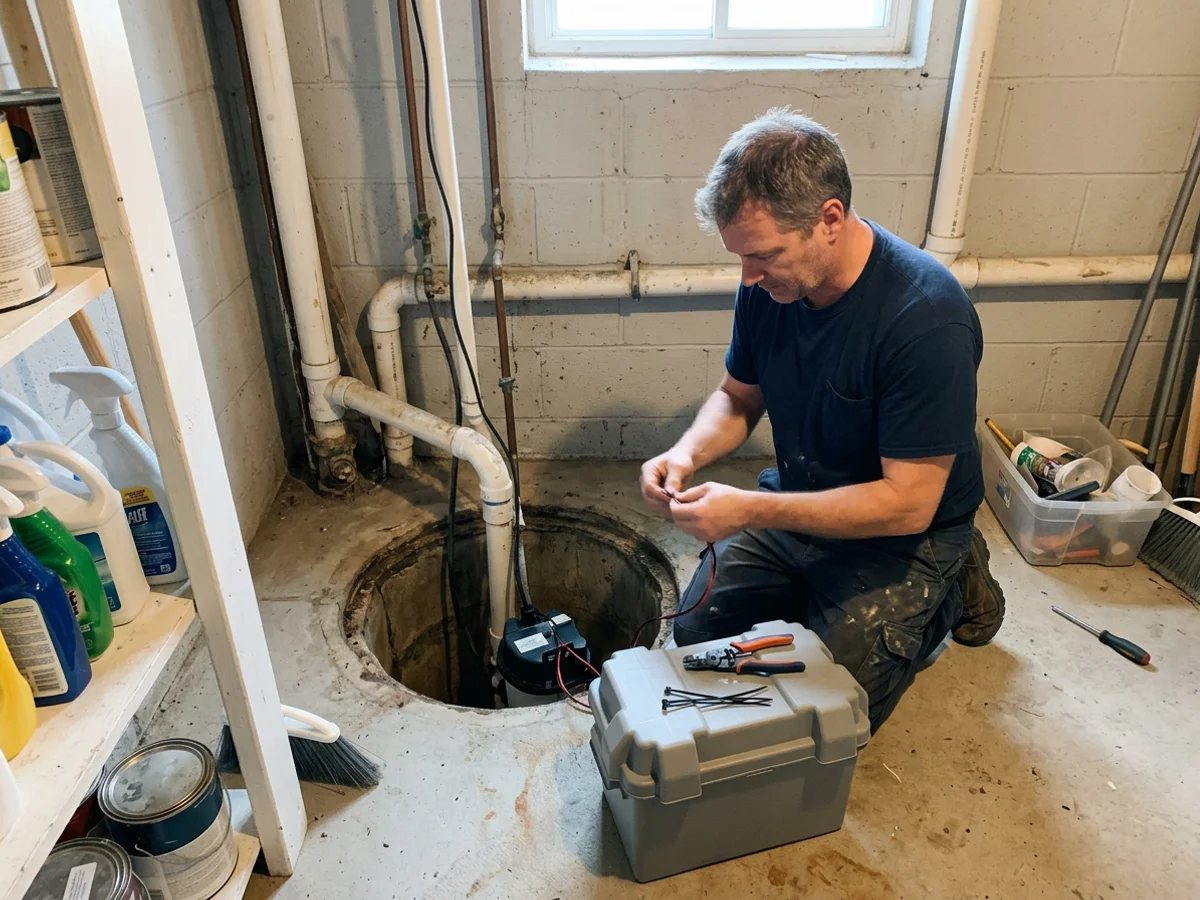
We suggest you pair any new submersible unit with a battery backup system. A battery backup will keep the pit empty even if a severe storm knocks out your neighbourhood power grid. Give us a call today to schedule your flow test and secure your home.