  • 14 Years Toronto Plumbing
  • CSA B64.10 Certified
  • WSIB & $2M CGL
  • Licensed - Permitted - Rebate-Filed

Weeping Tile Disconnection and Sump Install in Toronto, ON | Redirect to Sealed Basin

Sump Pump Installation Toronto locates weeping tile piped into the sanitary sewer, caps it at the sewer, redirects it to a sealed sump basin and pumps the water to grade, in line with the City of Toronto Downspout Disconnection Bylaw and Toronto Municipal Code Chapter 681. City data puts 25,000+ homes in the combined sewer area with weeping tile still tied to sanitary. A camera scope before the job confirms the tie-in location and pipe condition.

$500 REBATE

Eligible for $500 City of Toronto Rebate

City of Toronto subsidy covers Toronto addresses only. Other GTA municipalities run their own programs.

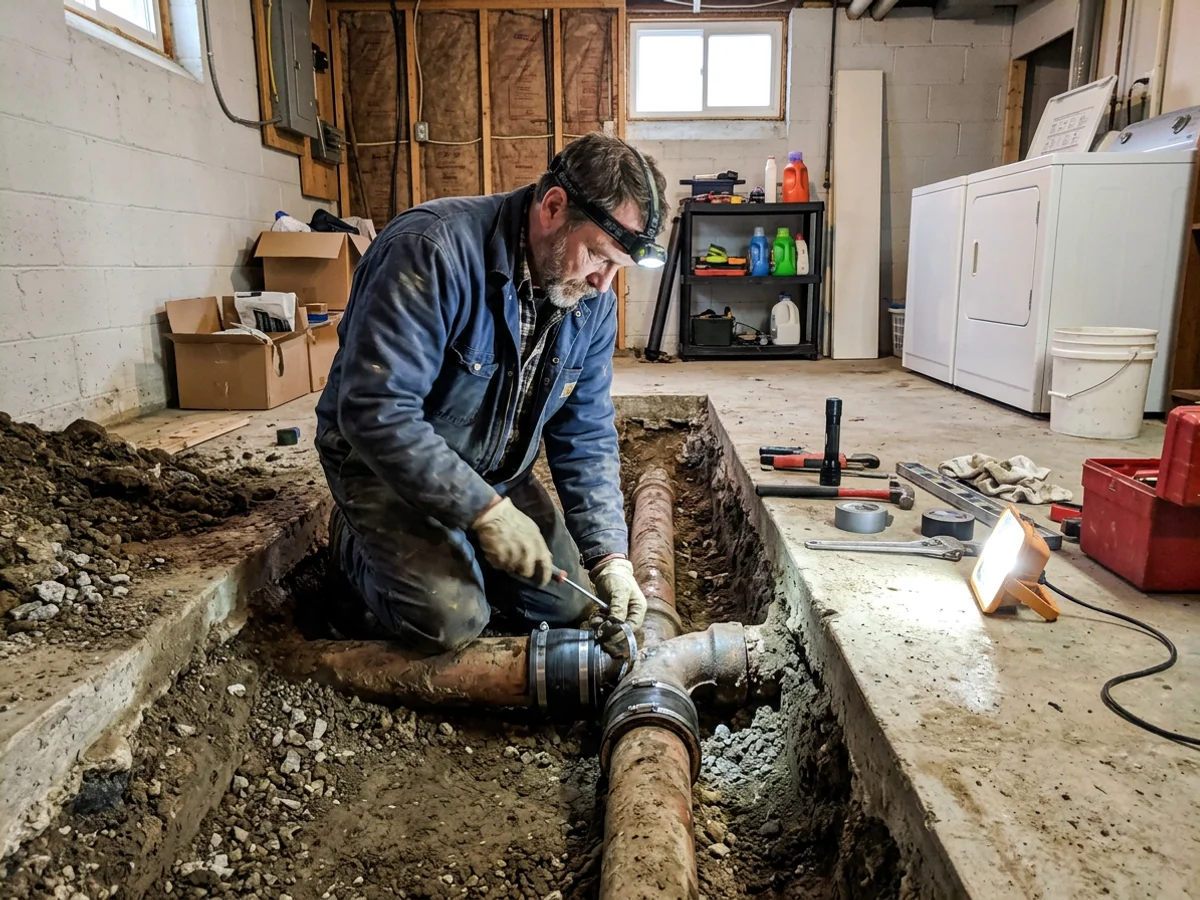
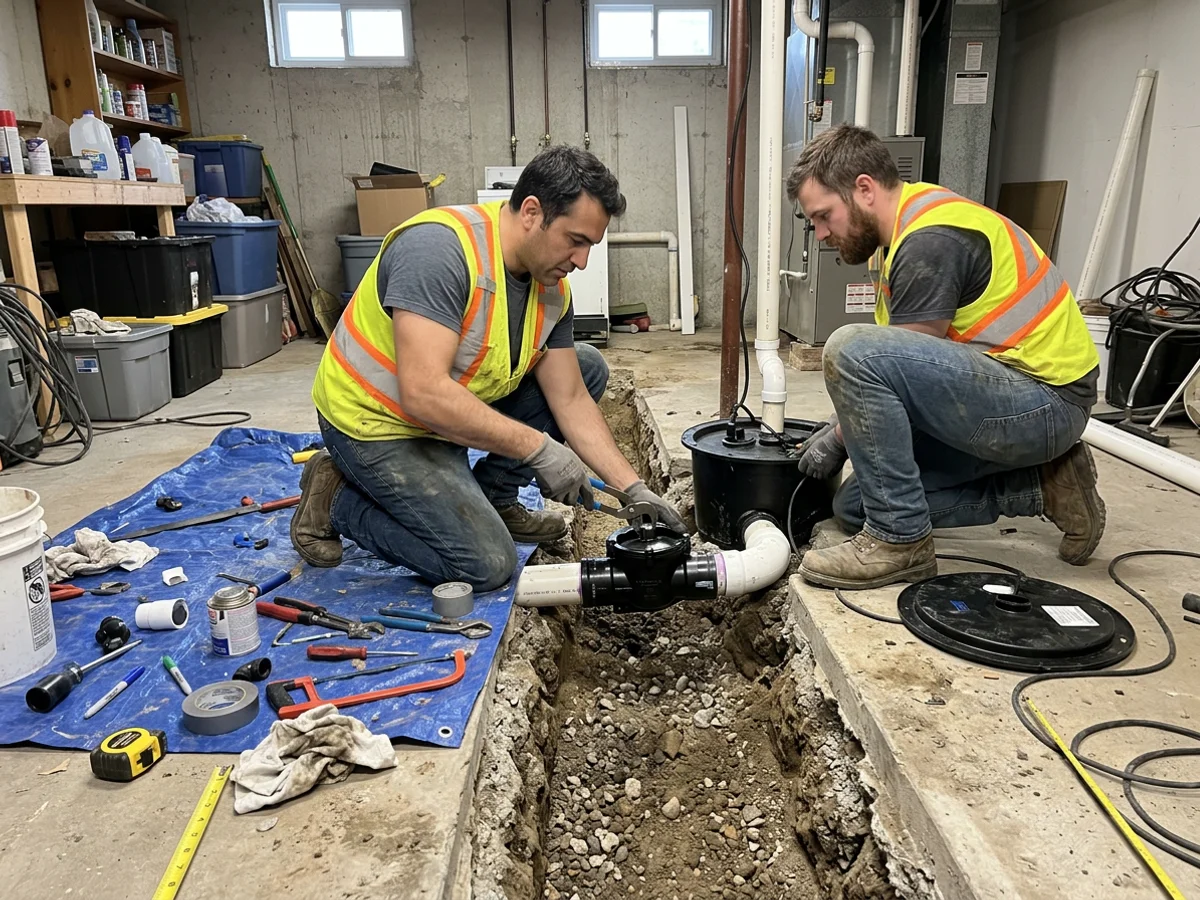
Plumber capping an old clay weeping tile connection at the sanitary drain in a basement trench
Published price $3,200 - $5,800

1,850+

Installs in GTA

14 Yrs

Since 2011

24/7

Live Dispatch

2-Yr

Workmanship Warranty

Have you ever wondered where all the rainwater around your foundation actually goes? Many homeowners in older neighbourhoods are surprised to learn their foundation drains empty directly into the city sewer.

As a sump pump installation company in Toronto, we see this outdated setup in properties built before the 1980s all the time.

Fixing it is a crucial step to keeping your basement dry. Let’s walk through exactly how disconnecting your weeping tile works and why it matters.

What Is Weeping Tile Disconnection?

Weeping tile is the perforated pipe running around your foundation footing. It collects groundwater before it can push through your basement walls. In many older Toronto homes, builders piped that foundation drain straight into the sanitary sewer system. This made perfect sense decades ago. Today, it causes major problems.

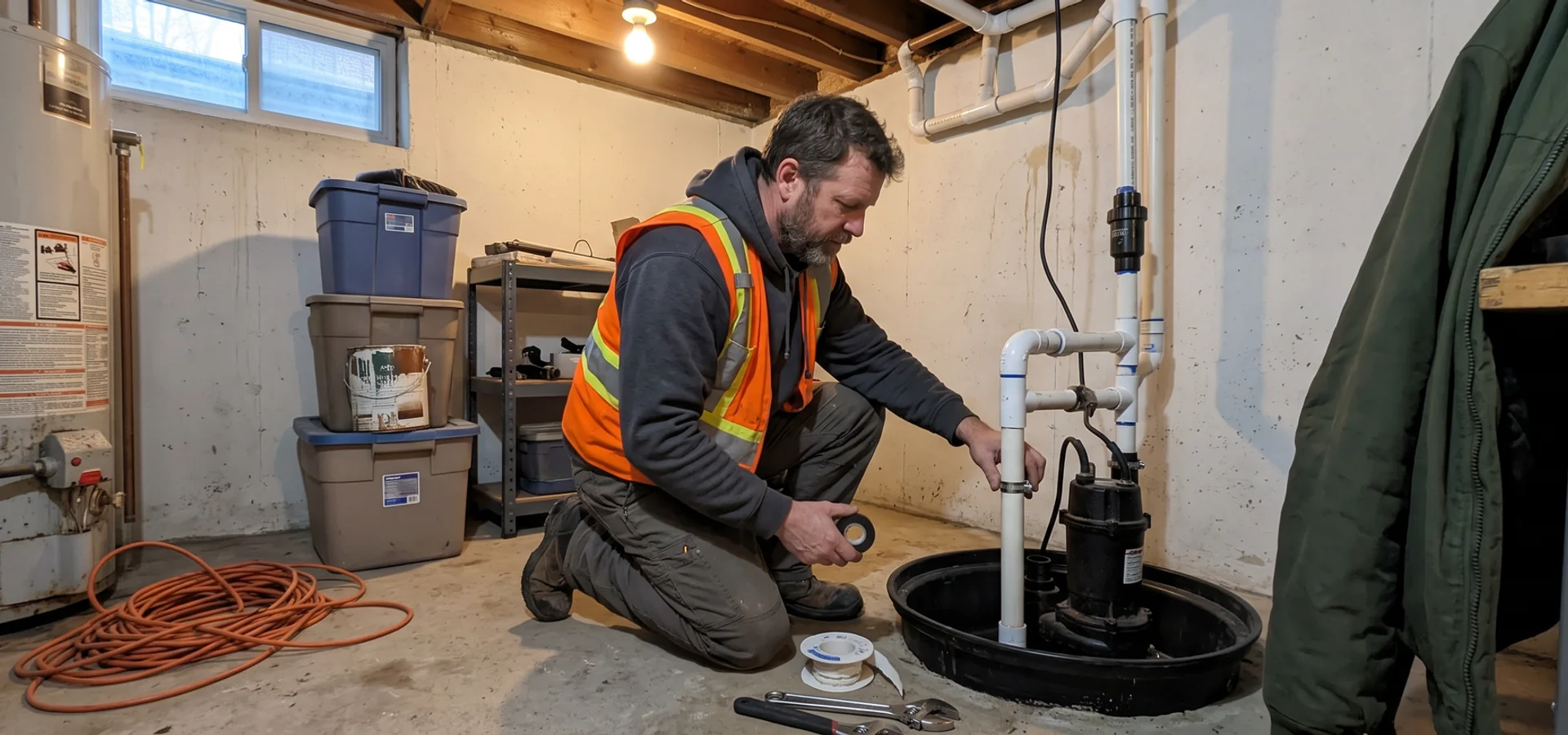
Disconnection simply means cutting that direct link. We sever and cap the old weeping tile where it meets the municipal sewer line. The next step is redirecting that water to a brand new, sealed sump basin inside your basement. A heavy-duty cast-iron submersible pump, like a highly reliable Zoeller M53, then lifts the water out of the house. It discharges the water at grade, safely away from your foundation. You get drier walls, a quieter floor drain during heavy storms, and a property that fully meets local bylaws. If you also want to secure the main building drain, you should consider a sump pump and backwater valve combo.

Why Does the City of Toronto Care About Weeping Tile?

Toronto’s older neighbourhoods sit in a combined sewer area where raw sewage and stormwater share the exact same pipes. When a massive downpour hits, thousands of houses send excess groundwater straight into that shared system. The system quickly overloads, and contaminated sewage backs up into basements across the entire region. The catastrophic storms in July 2024 alone caused over $940 million in insured damages across the area.

This is exactly why the City strictly enforces the Downspout Disconnection Bylaw and Toronto Municipal Code Chapter 681. These rules specifically require property owners to disconnect foundation drains from the sanitary sewer. City data still counts more than 25,000 homes operating with this illegal weeping tile connection.

Our team highly recommends dealing with this before an inspector flags your property. Correcting the issue protects your finished basement and your wallet.
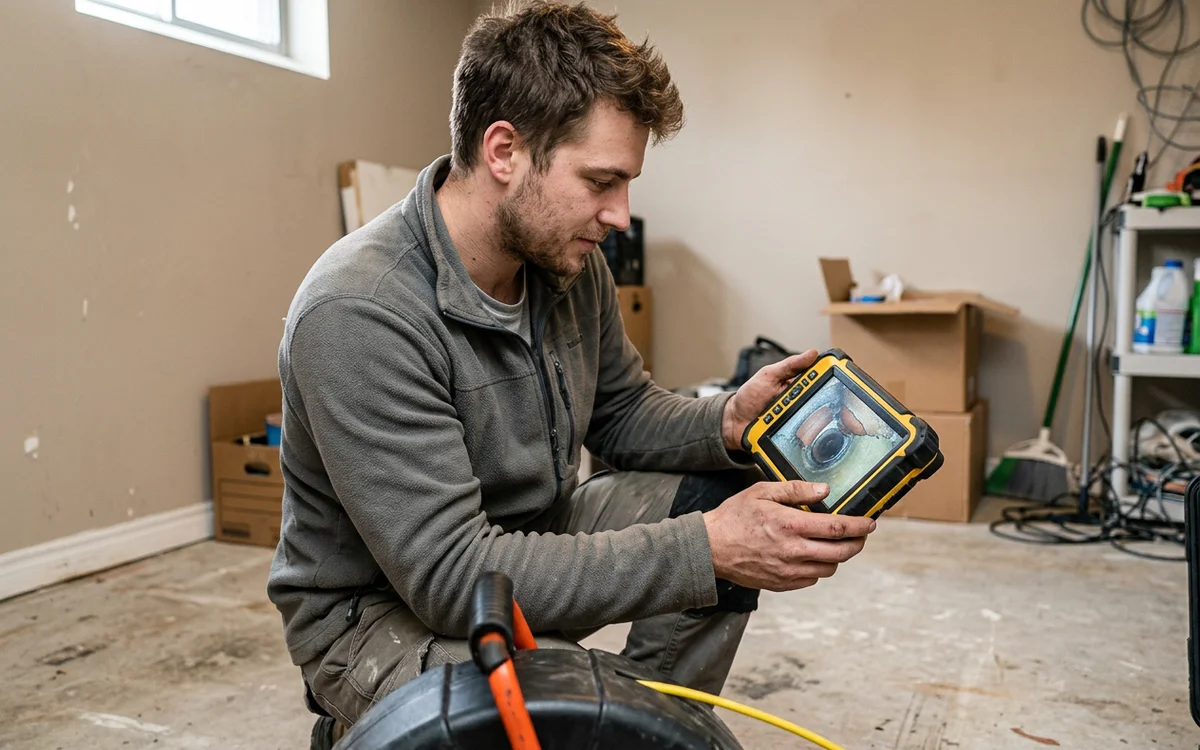
Drain camera monitor showing clay weeping tile tied into the sanitary sewer

Signs Your Weeping Tile Is Tied to the Sanitary Sewer

Finding out where your underground pipes lead can feel like a guessing game. There are a few clear indicators that your property might still be hooked up to the city lines. We always tell clients to look closely at their basement floor for patched concrete near the main drain stack. This is a classic insider sign of an old, hidden tie-in.

Here are the most common clues to watch for:

ClueWhat it suggests
No sump pit anywhere in the basementFoundation water has to be going somewhere, often the sewer
Floor drain gurgles or backs up in heavy rainSewer is surcharging, possibly worsened by your own groundwater
House built before the 1980s in an older areaSanitary tie-ins were common practice
Damp walls even with working eavestroughsHydrostatic pressure with nowhere to drain when the sewer is full

A high-definition drain camera scope is the only definitive way to know for sure. It is a standard part of our free assessment process. Finding out early helps you avoid the stress of a flooded basement.

Types of Disconnection Jobs

Every basement layout requires a slightly different approach to drainage. The right method depends entirely on where your existing pipes sit and the condition of your foundation walls.

  • Near-pit tie-in. The foundation drain joins the sanitary line very close to where your new pit will sit. This requires a shorter trench and a brief redirect, which keeps your total price lower.
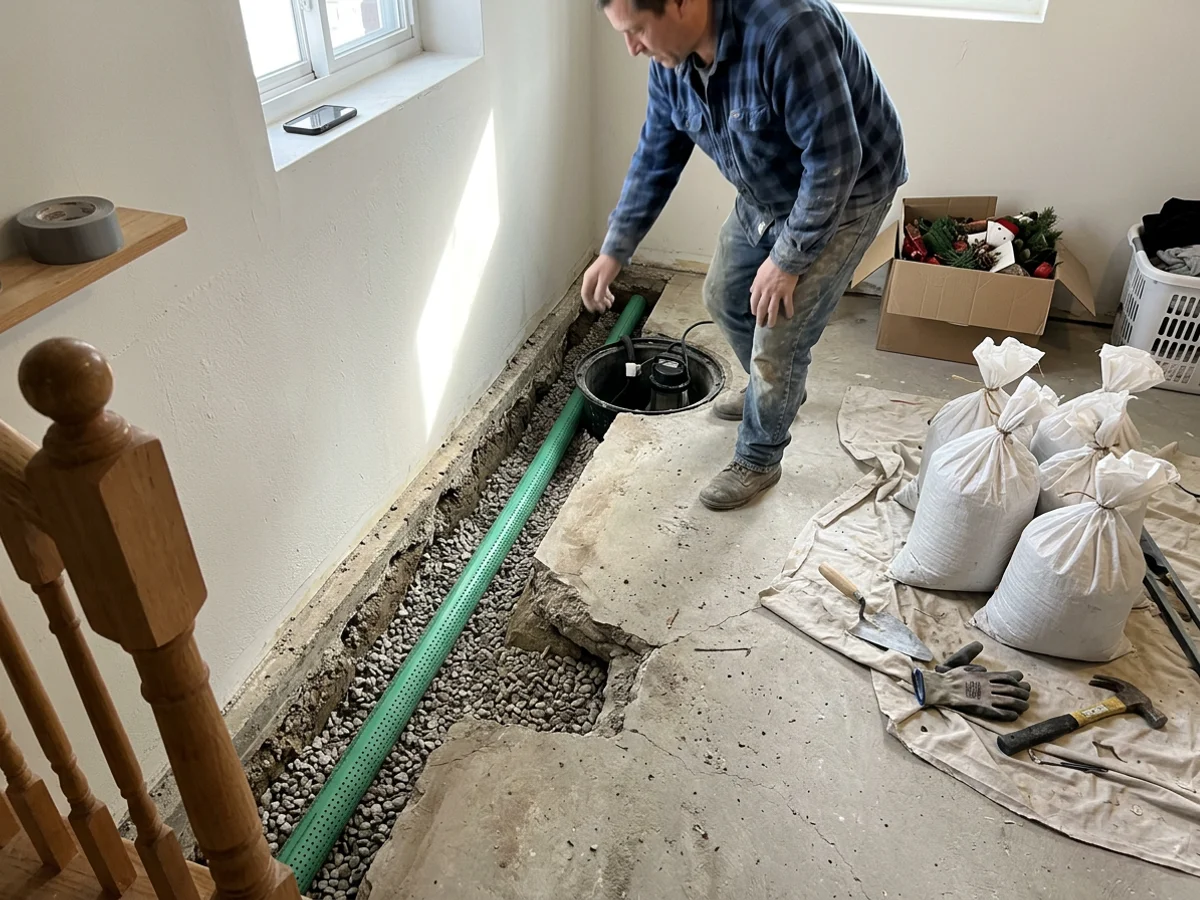
  • Long redirect. The original tie-in is located at the front of the house, but the best sump pit location is all the way at the back. This job involves digging more trench and laying down extra corrugated perforated pipe. We make sure to wrap this pipe in a high-quality non-woven geotextile, like Terrafix 270R filter fabric. Using premium fabric stops fine soil from clogging your new system over time.
  • Disconnection with perimeter drain. Sometimes the old clay weeping tile has completely collapsed or is entirely choked with tree roots. A shiny new pump alone will absolutely not fix the damp walls in this scenario. Installing an interior perimeter drain gives the trapped water a clear, new path directly to the pit.

What Drives the Cost?

Budgeting for a drainage overhaul means looking at a few specific variables on your property. Average repair costs for a flooded basement can reach $54,000 in Canada, making this preventative work a smart financial move. Here is a breakdown of what influences your final invoice.

Cost factorLower endHigher end
Tie-in locationClose to the new pitOpposite side of the basement
SoilSandy fillHeavy clay (common in Scarborough)
Old pipe conditionOuter loop still soundCracked or collapsed clay tile
Floor finishBare concreteTile or engineered flooring
Discharge routeShort run to a side yardLong run around a finished room

Trench depth is another major factor, as some older pipes sit two to three feet below the concrete slab. We carefully assess all these elements during our initial visit to give you an accurate, flat-rate quote. Knowing these details upfront prevents surprise fees later.

When Should You Disconnect?

If a camera inspection shows an active sanitary tie-in, the City expects you to disconnect it immediately. Many property owners proactively tackle this job before finishing a basement, when listing a house for sale, or right after filing a sewer backup insurance claim.

You also want to consider the massive financial incentives currently available. On May 1, 2026, the Basement Flooding Protection Subsidy Program expanded significantly, raising the maximum coverage per property to $6,650.

You can now get up to $400 specifically to sever and cap your weeping tile, plus up to $2,250 for a new sump pump installation.

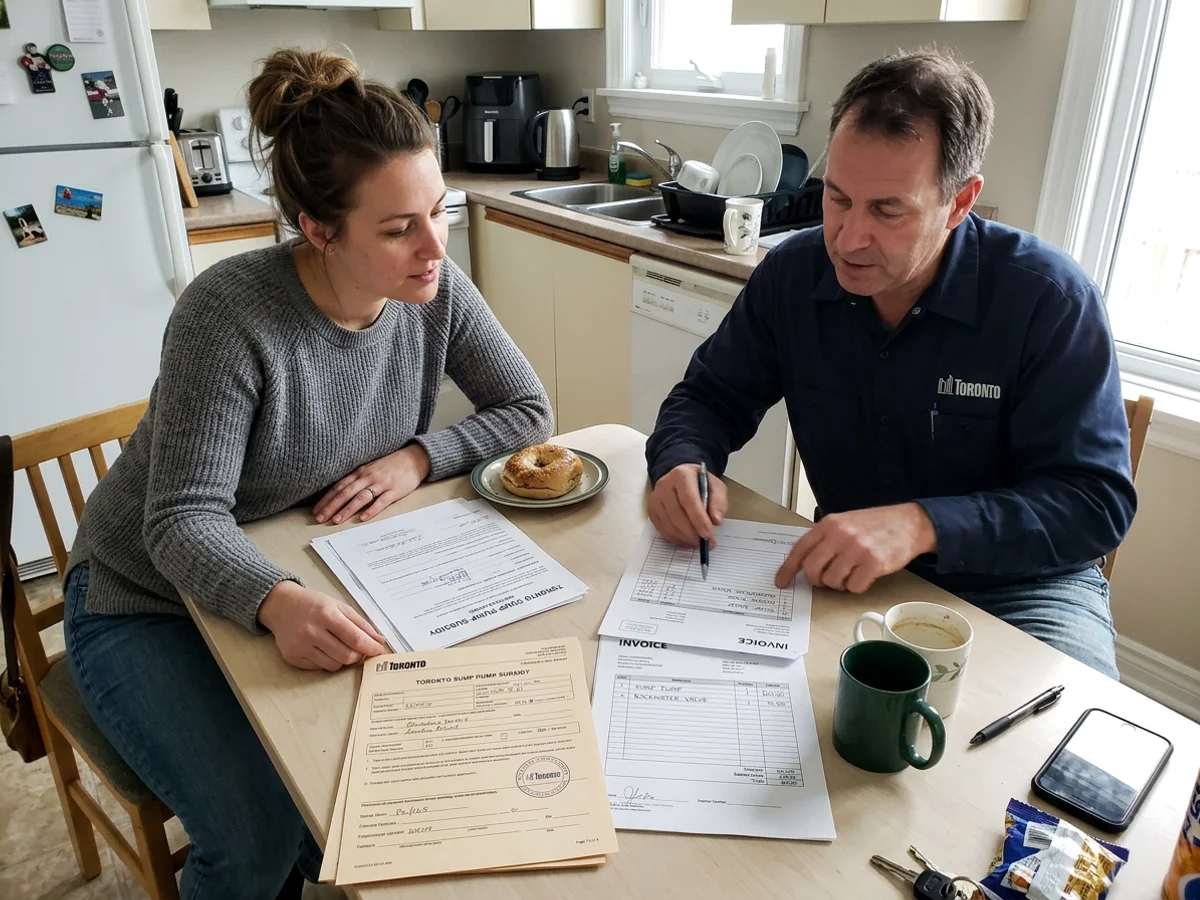
Our dedicated City of Toronto rebate application service completely handles the paperwork and files it for you at no extra charge.

Contact us today to book your free drain camera assessment and secure your spot on our schedule before the next major storm.
How Much Does Weeping Tile Disconnection and Sump Install Cost in Toronto?

Our published range is $3,200 - $5,800 per disconnection + sump install. Includes camera scope, capping at the sewer, redirect to a new sealed sump and discharge to grade. The written quote after your free assessment is the price you pay. No surprise line items.

Simple Disconnection

$3,200 - $4,200

  • Tie-in close to the planned pit
  • Cap at the sanitary line
  • Sealed sump + cast iron pump
  • Short discharge to grade
Get a written quote

Long Redirect / Heavy Clay

$5,000 - $5,800

  • Tie-in far from the pit
  • Heavy clay digging
  • Longer perforated pipe run
  • Finished-floor restoration
Get a written quote
$500 REBATE

Eligible for $500 City of Toronto Rebate

City of Toronto subsidy covers Toronto addresses only. Other GTA municipalities run their own programs.

Every install includes a written 2-year workmanship warranty. Pump manufacturer warranties apply on top and vary by model.

What Sets Our Weeping Tile Disconnection Work Apart in Toronto?

14 years in Toronto basements, 1,850+ sump installs and a licensed Master Plumber on every permit. Here is what that means on your job.

We look before we dig

A camera scope confirms exactly where the tie-in is, so we cut once in the right spot.

Done to Chapter 681

Capped at the sewer, redirected to a sump and pumped to grade the way the City expects.

Clay soil experience

Scarborough and East York clay slows digging. We plan for it, and it is in the quote.

Your floor drain stops gurgling

Taking foundation water off the sanitary line often ends the storm-night gurgle at the floor drain.

Combo-ready

Thinking about a backwater valve too? Doing both in one opening saves money and can raise the subsidy to $1,750.

Paperwork handled

Permit, inspection and the $500 subsidy filing are part of the job.

How Does Our Weeping Tile Disconnection Process Work?

No guesswork about what happens on install day. Most Toronto jobs follow these steps, and we tell you up front if yours will differ.

The honest timeline

Install work is usually 1-2 days on site. Where a Toronto Building drain permit is needed, filing takes about 5 business days, the inspector attends the same week as completion, and a City subsidy cheque arrives 6-8 weeks after the packet goes in.

  1. 1. Camera scope and locate

    A CCTV drain camera finds where the foundation drain joins the sanitary line and shows us the condition of the old pipe.

  2. 2. Written quote and plan

    Where we'll cut, where the new pit goes, how the redirect runs and where the water will discharge.

  3. 3. Permit filing

    We file the Toronto Building drain permit, usually about 5 business days.

  4. 4. Disconnect and redirect

    Core drilling or saw cut, sever and cap the weeping tile at the sewer, then run new perforated pipe in filter fabric to a sealed basin.

  5. 5. Pump, discharge and test

    Cast iron pump, check valve, freeze-proof discharge to grade, then a full flow test.

  6. 6. Inspection and subsidy packet

    The City inspector signs off and we file the packet for the $500 sump subsidy on eligible addresses.

Our Weeping Tile Disconnection Work Around Toronto

Real jobs, real basements. Tap any photo to enlarge it.

What Customers Say About Our Weeping Tile Disconnection

"Camera scope found our clay weeping tile tied straight into the sanitary sewer. They capped it, redirected to a sealed basin and pumped it to grade, per Chapter 681. Clear explanation of every step."
Steve G. · St Clair West Weeping Tile $4,700 CAD
"Edwardian semi near Trinity-Bellwoods with weeping tile to sanitary. Disconnect, new sump, freeze-proof discharge and the City paperwork. Our floor drain finally stopped gurgling during heavy storms, and the inspector signed off first visit."
Natalie C. · Trinity-Bellwoods Weeping Tile $5,300 CAD
"After the July 2024 storm backed up our Rosedale basement, we went full combo: Mainline backwater valve, Zoeller M63 and Aquanot battery. Full $1,750 subsidy cheque arrived about seven weeks later."
Angela F. · Rosedale Combo $8,900 CAD

Get a Written Weeping Tile Disconnection Quote

The one-hour visit covers a camera scope, a flow test, a City subsidy eligibility check and a written CAD quote with pump brand, basin type and discharge spec.

  • Written price before any work starts
  • Permit and inspection booked for you where required
  • Subsidy packet filed at $0 on eligible Toronto installs
  • 2-year written workmanship warranty

Book Your Weeping Tile Disconnection Assessment

Camera scope + pit inspection + written quote + City subsidy eligibility check. No obligation.

WSIB covered · Master Plumber (ON) · No pushy sales

Weeping Tile Disconnection and Sump Install: Frequently Asked Questions

Is weeping tile disconnection required in Toronto?

Weeping tile tied to the sanitary sewer must be disconnected under the City of Toronto's Downspout Disconnection Bylaw and Toronto Municipal Code Chapter 681. City data counts more than 25,000 homes in the combined sewer area that still have foundation drains piped to sanitary.

The reason is simple. Every connected house sends groundwater into a pipe built for sewage. During a big storm, that extra water helps overload the system and pushes sewage back into basements, including yours. Disconnecting the weeping tile and sending that water to a sump pump that discharges at grade takes the load off the sewer and gives your foundation water a safe place to go. A disconnection with a new sump costs $3,200 to $5,800 with us.

How much does weeping tile disconnection cost in Toronto?

$3,200 to $5,800 CAD, including the camera scope, capping the foundation drain at the sewer, a redirect run to a new sealed sump basin, a cast iron pump and discharge to grade. Most Toronto jobs fall in the middle of that range.

The price moves with three things. Distance from the tie-in to the new pit sets how much trench and pipe we need. Soil type matters: heavy clay, common in Scarborough and parts of East York, takes longer to dig than sandy fill. And floor finish counts, since tile or engineered flooring takes more care to open and restore. On eligible Toronto addresses, the $500 sump subsidy can bring the net cost down, and we file it for you.

How do I know if my weeping tile is connected to the sanitary sewer?

You often can't tell by looking. Common clues are a basement without a sump pit, a floor drain that gurgles or backs up during heavy rain, and a house built before the 1980s in an older part of the city. The only way to be sure is a camera scope.

At the free assessment, we feed a CCTV drain camera through the floor drain or cleanout and follow the pipe. If we see clay weeping tile joining the sanitary line, we show you the footage and mark the location on the floor. That tells us where to cut and how long the redirect needs to be.

What happens during a weeping tile disconnection?

We cut or core the slab at the tie-in, sever the foundation drain and cap it at the sewer so groundwater no longer enters the sanitary line. Then we lay corrugated perforated pipe wrapped in filter fabric from that point to a new sealed sump basin, set a cast iron pump with a check valve and pipe the discharge out to grade where it drains away from the house.

The floor is patched, the system is flow-tested and, where a permit applies, the City inspector checks the work. Most jobs take 1-2 days on site.

Can I combine weeping tile disconnection with a backwater valve?

Yes, and it is often the smartest order of work. Once foundation water no longer drains to the sanitary line, a backwater valve on the building drain can close safely during a sewer surcharge. Done together, both devices go in through one floor opening, one permit and one inspection, and the City subsidy can reach $1,750 on eligible addresses.

Will disconnecting my weeping tile make my basement wetter?

No, as long as the sump is sized right. The same water still drains away from the footing; it just goes to a pump instead of the sewer.

How long does the job take?

Usually 1-2 days on site, plus about 5 business days ahead for the permit.

Where will the sump water discharge?

To grade, through a freeze-resistant outlet aimed away from the foundation and off neighbouring property, onto a splash pad or into a suitable landscaped area.

Is my old clay weeping tile still usable?

Often the outer loop still carries water. The camera scope shows cracks, root intrusion or collapse. If it has failed widely, an interior perimeter drain may be the better fix.

Do I need to disconnect my downspouts too?

The Downspout Disconnection Bylaw covers downspouts as well. Most are simple to redirect, and we flag any still connected during the assessment.

Does heavy clay soil change the price?

It can. Clay takes longer to dig and to backfill properly, so we account for it in the written quote.

Is the $500 subsidy available on this job?

Yes for eligible Toronto addresses, because the job includes a new sump pump. We file the packet at no charge.

Ready to Book Weeping Tile Disconnection in Toronto?

Honestly, that is the whole pitch. We would rather spend an hour at your house now than pump out a finished basement later.

  • Published CAD pricing
  • 2-year workmanship warranty
  • Licensed Master Plumber (ON)
  • City subsidy filed at $0
Call 24/7 Get $1,750 Rebate