What Is an Interior Perimeter Drain?
Have you ever walked downstairs after a heavy rain and felt that dreaded squish beneath your shoes?
As a Toronto sump pump installation crew, we completely understand the frustration of dealing with a wet basement. This constant worry is exactly why an interior perimeter drain is such a fantastic upgrade for your property.
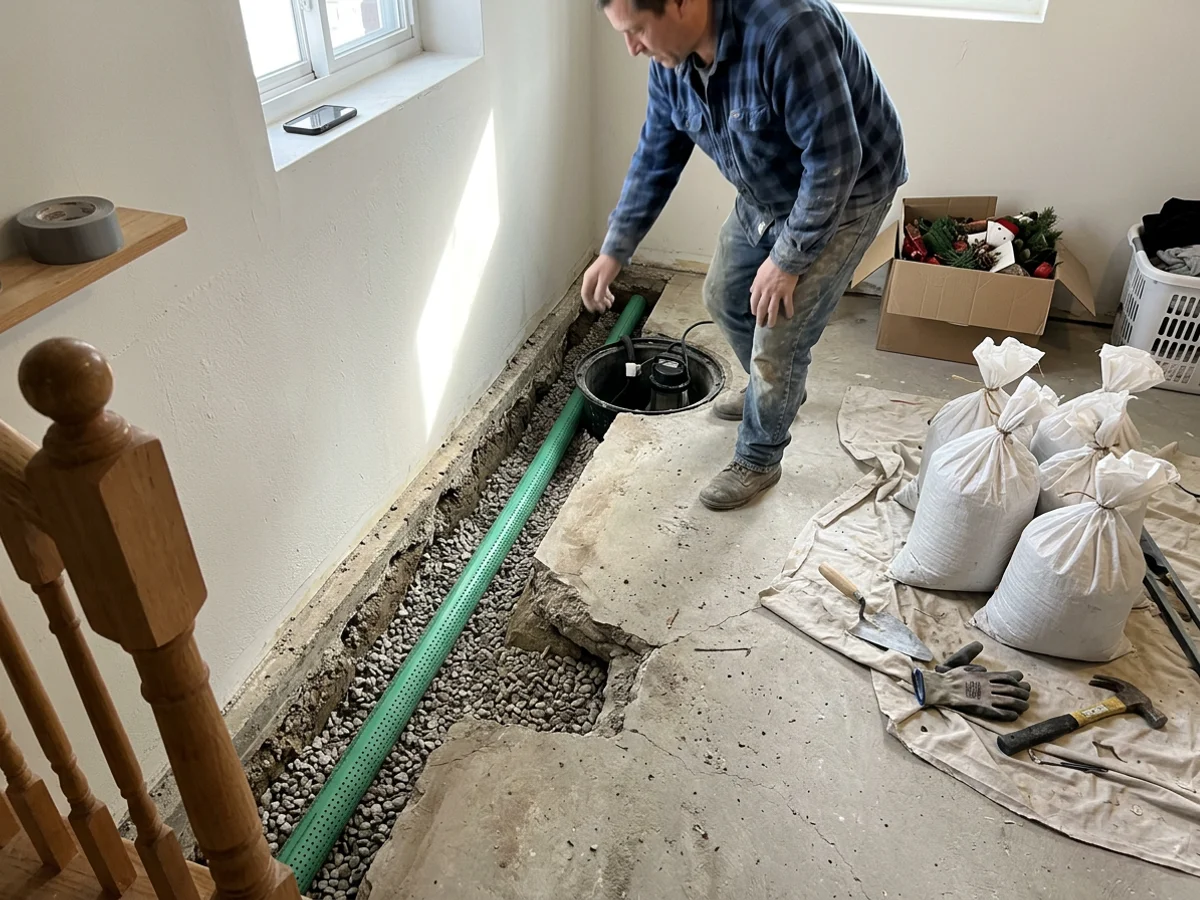
We follow a very specific method to ensure your space stays dry permanently:
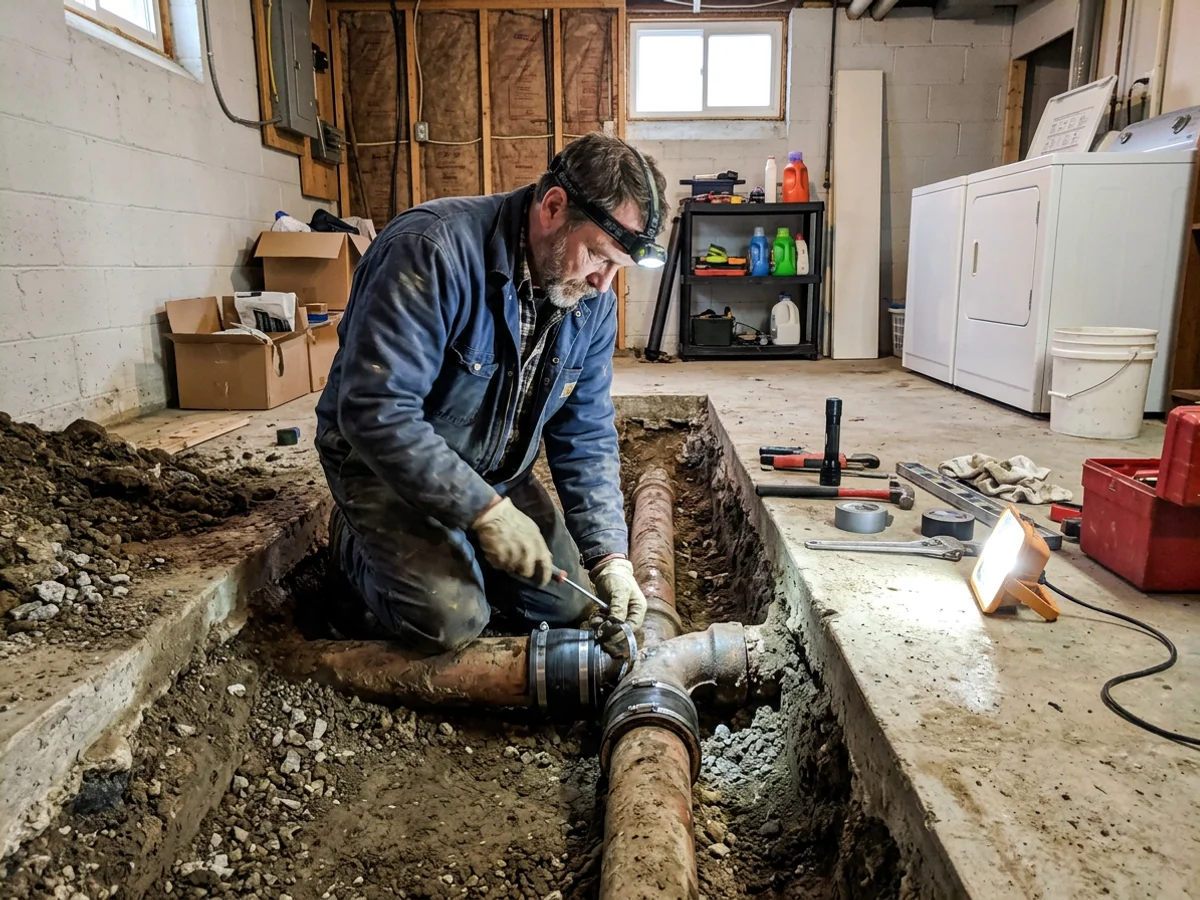
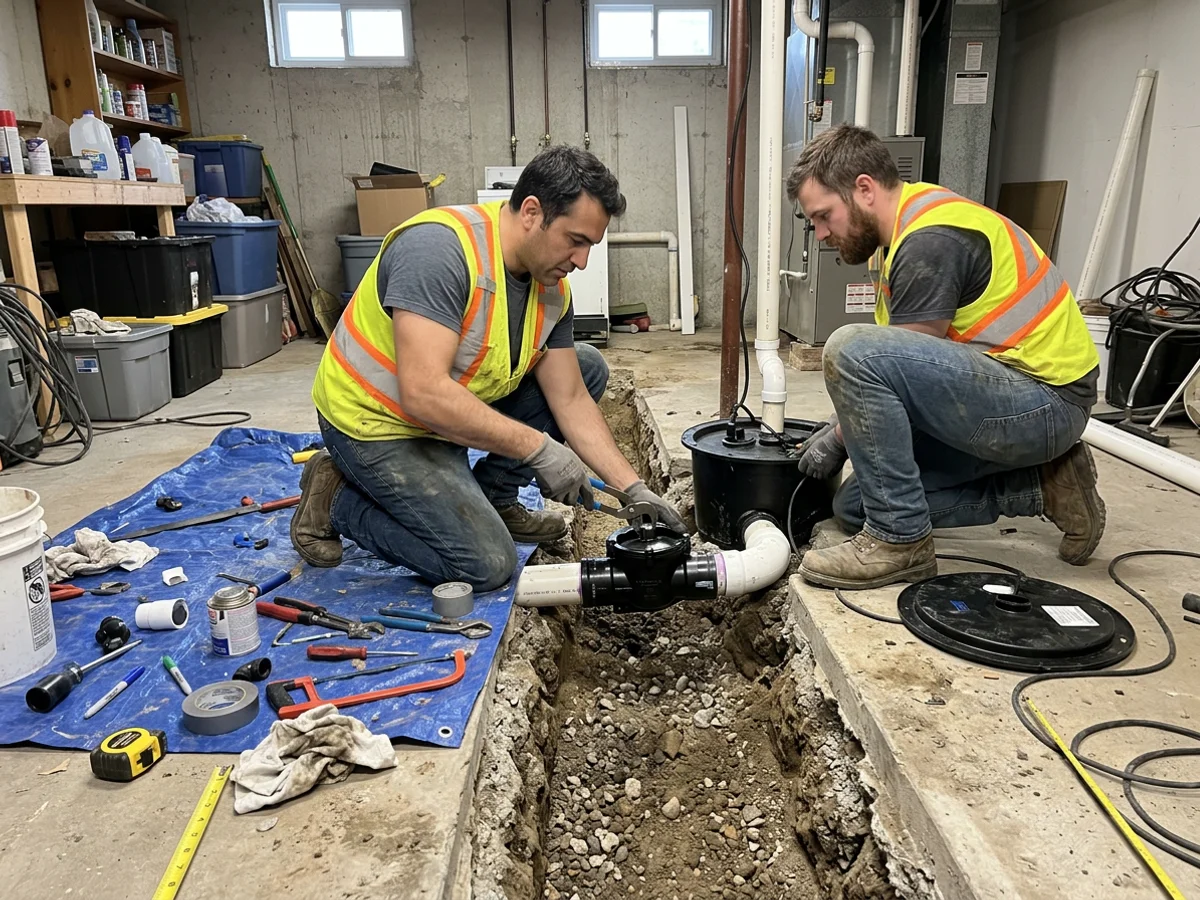
- Trenching the perimeter: A narrow strip of the concrete slab is removed right against the affected walls.
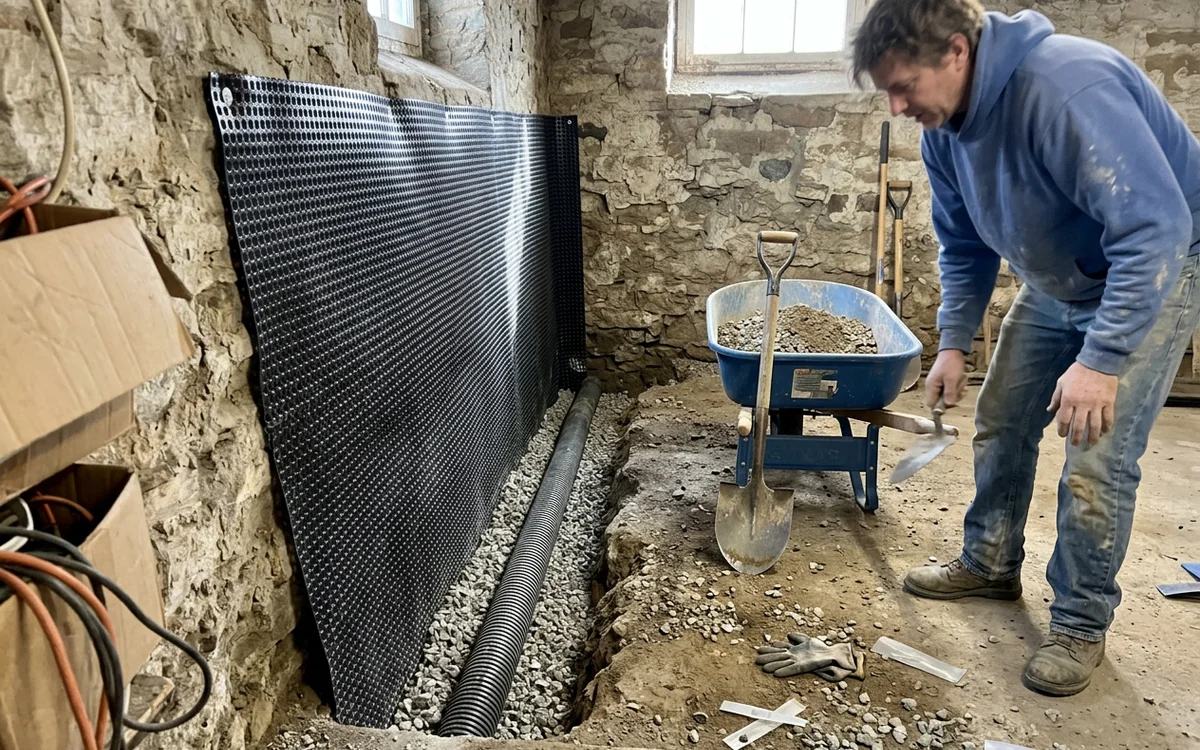
- Laying the foundation: A bed of 3/4-inch washed stone creates the perfect drainage base.
- Installing the pipe: A four-inch perforated PVC drain tile is laid and sloped toward the sump pit.
- Applying the vapor barrier: A durable dimple membrane is secured to the wall to catch incoming moisture.
- Finishing the floor: New concrete is poured over the trench to restore the basement slab.
The DELTA-MS membrane by Dörken is a perfect example of a premium vapor barrier, featuring a unique 5/16-inch dimple height that creates a permanent air gap. We know this specialized perimeter system solves a much larger issue than a small, localized puddle.
If water only shows up in one specific corner, a standard interior sump pump installation is often all you need. We step in with a full perimeter drain when moisture seeps through the wall-floor joint across several sides of the room, giving that water a clear path to the pump.
Why Do Toronto Basements Leak at the Wall-Floor Joint?
Many older Toronto homes were originally built with clay weeping tile outside the footing. We frequently see these decades-old tiles cracked, filled with stubborn tree roots, or completely collapsed. The local geology plays a massive role in these drainage failures.
Our service area covers the Greater Toronto Area, which sits heavily on the “Peel Plain” soil system. This heavy clay soil drains incredibly slowly and swells significantly when saturated during spring thaws.
We know from daily experience that when the outer drain stops working, this expansive clay holds water tightly against the foundation. Hydrostatic pressure then pushes that trapped moisture through the path of least resistance, which is usually the joint where the wall meets the floor slab. Our goal is to help you spot the early warning signs before a major flood happens.
Common clues of a failing wall-floor joint include:
- Chalky residue: White efflorescence powder appearing on the bare concrete.
- Lingering odors: Persistent musty smells in the air that never seem to fade.
- Wet floors: Unexplained damp carpeting or soft baseboards along the perimeter.
The importance of acting quickly enough to protect your property value cannot be overstated. We always point to a 2026 report from the Intact Centre on Climate Adaptation at the University of Waterloo, which noted that the average cost of a residential basement flood in Canada has reached a staggering $43,000. Professional interior drainage systems prevent these massive financial headaches by safely managing that hydrostatic pressure.
Interior Perimeter Drain vs Exterior Waterproofing
Choosing between an interior system and a full exterior excavation is a major decision for any property owner. We like to lay out the facts clearly so you can select the best approach for your budget and timeline. Exterior waterproofing requires heavy machinery to dig down to the footing, which can be highly disruptive to your driveway and landscaping.
Our interior perimeter drains offer a much faster, less invasive alternative that can be installed regardless of freezing Canadian winter temperatures. Recent 2026 market data shows that professional exterior waterproofing in Toronto typically ranges from $150 to over $250 per linear foot.
We provide interior systems that are generally much more cost-effective, often running between $70 and $150 per linear foot. This price difference makes interior drainage a highly attractive option for unfinished basements or spaces needing immediate relief.
| Interior perimeter drain | Exterior waterproofing | |
|---|---|---|
| Where the work happens | Inside the basement | Outside, excavated to the footing |
| Disturbs landscaping | No | Yes, often driveways and decks too |
| Season | Year-round | Weather-dependent |
| Handles groundwater | Yes, drains it to a sump | Seals the wall, still needs drainage |
| Offered by us | Yes | No, interior systems only |
Types of Perimeter Drain Jobs
Every basement behaves a little differently depending on its age, layout, and the surrounding water table. We customize the scope of every drainage project to match the specific moisture threats your building is facing. All installations utilize CSA-approved, four-inch perforated PVC piping to handle maximum water volume safely.
Our team offers three main configurations to protect your space from water damage:
Partial Loop Installation
A partial loop targets one or two specific walls where the water problem is heavily concentrated. We install this targeted trench and tie it directly to a pit at the lowest point of the room.
This targeted approach saves money while fixing isolated leaks, but it assumes the rest of the foundation remains structurally dry.
Full Perimeter Protection
Our most requested service is the full perimeter drain because it covers all four walls and provides complete, long-term peace of mind. This comprehensive choice is highly recommended when the original exterior clay tile has failed throughout the entire property.
We install a full loop to catch moisture from every angle, making it the safest route if you plan to finish the basement with expensive flooring or drywall. Complete protection ensures your newly renovated space stays pristine for decades.
Perimeter with Weeping Tile Disconnection
Our technicians sometimes find that the existing exterior tile is improperly tied directly into the municipal sanitary sewer system. This complication is easily handled by combining the new interior layout with a complete weeping tile disconnection.
We make this important update to ensure all captured groundwater flows cleanly to the sump pit instead of overloading the city sewer infrastructure. A compliant, modernized system is absolutely essential for passing local municipal inspections and avoiding hefty fines.
What Drives the Cost?
Understanding the final price of a basement upgrade comes down to looking at the specific features of your property. We provide transparent, upfront estimates so you know exactly where your investment is going. The total linear footage of the trench and the type of foundation walls you have are the two biggest variables affecting the price.
| Cost factor | Lower end | Higher end |
|---|---|---|
| Linear footage of wall | One or two walls | Full loop in a large basement |
| Foundation type | Poured concrete | Stone or block |
| Obstacles | Open basement | Stairs, furnace, interior walls |
| Finishes | Unfinished | Drywall and flooring to remove and protect |
| Pump package | Cast iron primary | Primary + battery backup |
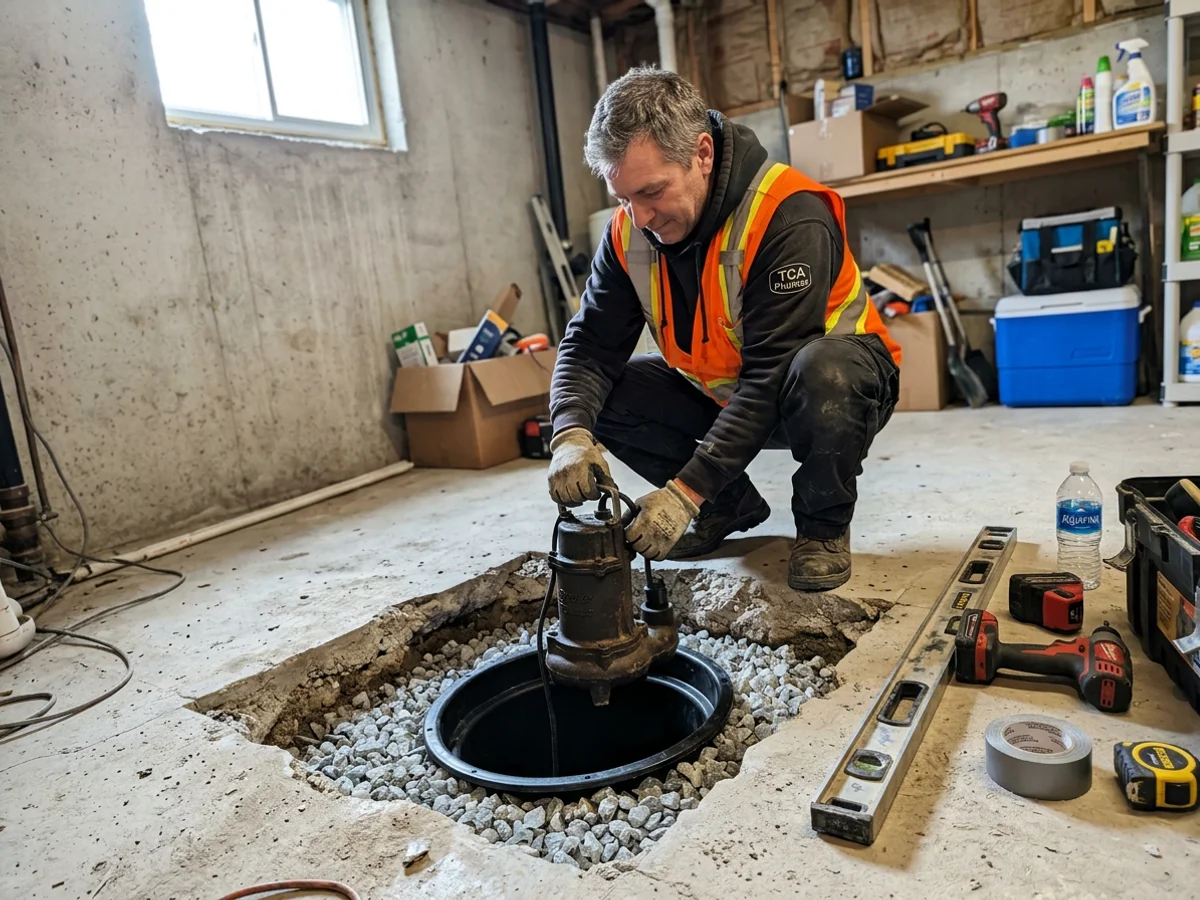
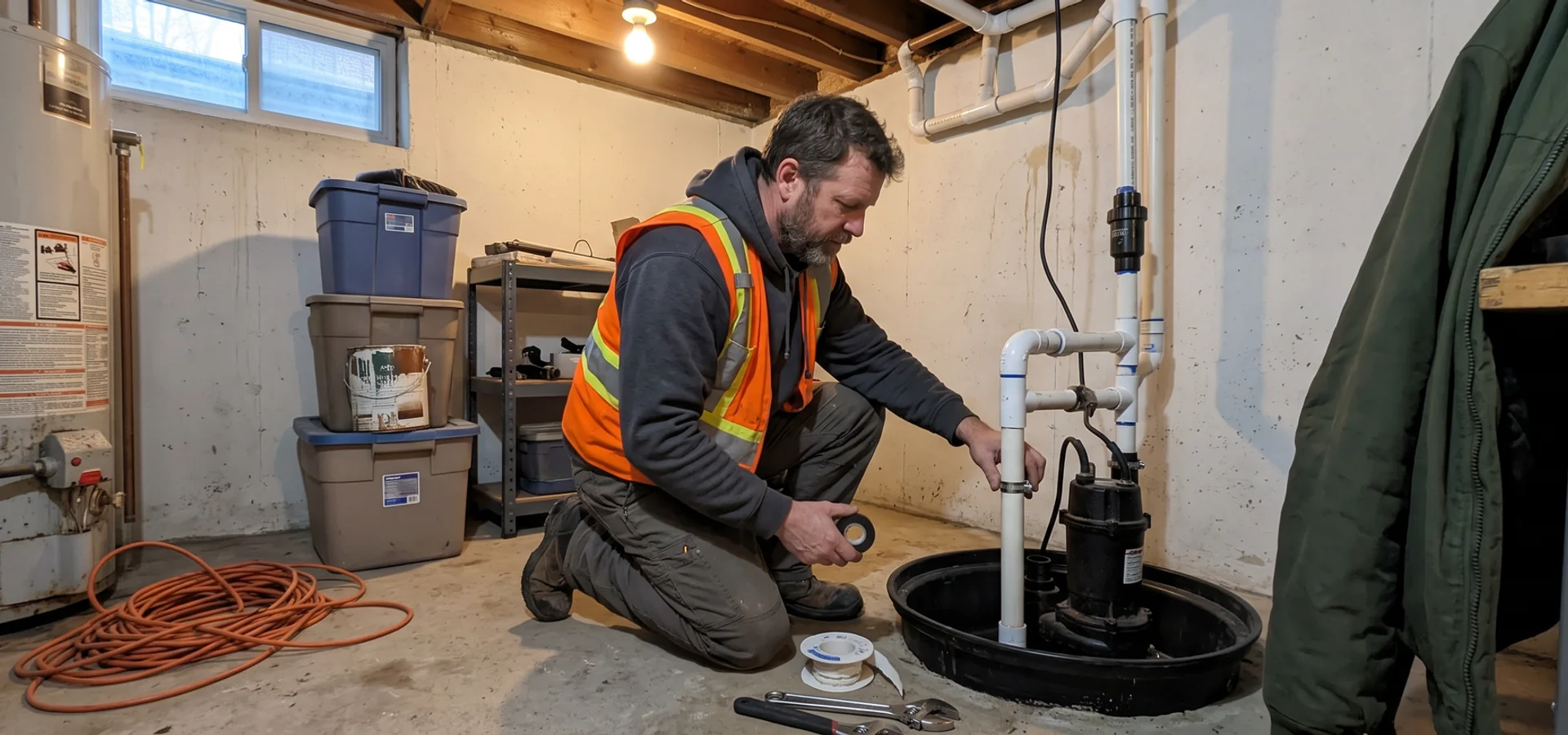
Our experts also emphasize factoring in the quality of the pumping equipment handling the water flow. Premium pump packages, like a cast-iron primary unit paired with a high-capacity battery backup system, offer the best reliability. We consistently install trusted brands like Zoeller or Liberty Pumps, which offer incredible battery backup models that kick in immediately if the neighborhood loses power during a severe thunderstorm.
Local homeowners should always look into municipal subsidies before starting a major plumbing project. Our team highly recommends checking the City of Toronto’s Basement Flooding Protection Subsidy Program, which currently offers up to $6,650 in rebates for eligible sump pump and backwater valve installations as of 2026. Understanding these rebate requirements can be confusing, so asking a professional for guidance will help bring your out-of-pocket costs down significantly.
Is It Worth It?
If you plan to finish the basement and add livable square footage, this investment is absolutely essential.
We have seen too many property owners lose thousands of dollars because they installed fresh flooring and drywall over a foundation that still seeps every spring. A completely dry, properly drained, and membraned basement is a space you can finish with total confidence.
Our primary goal is for you to enjoy your newly renovated lower level without checking the weather forecast in a panic. If you are looking to protect your home against municipal sewer backups as well, please ask about pairing this job with a sump pump and backwater valve combo.
We are ready to assess your property and provide a permanent solution today.