What Is Included in a Sump Pump Replacement?
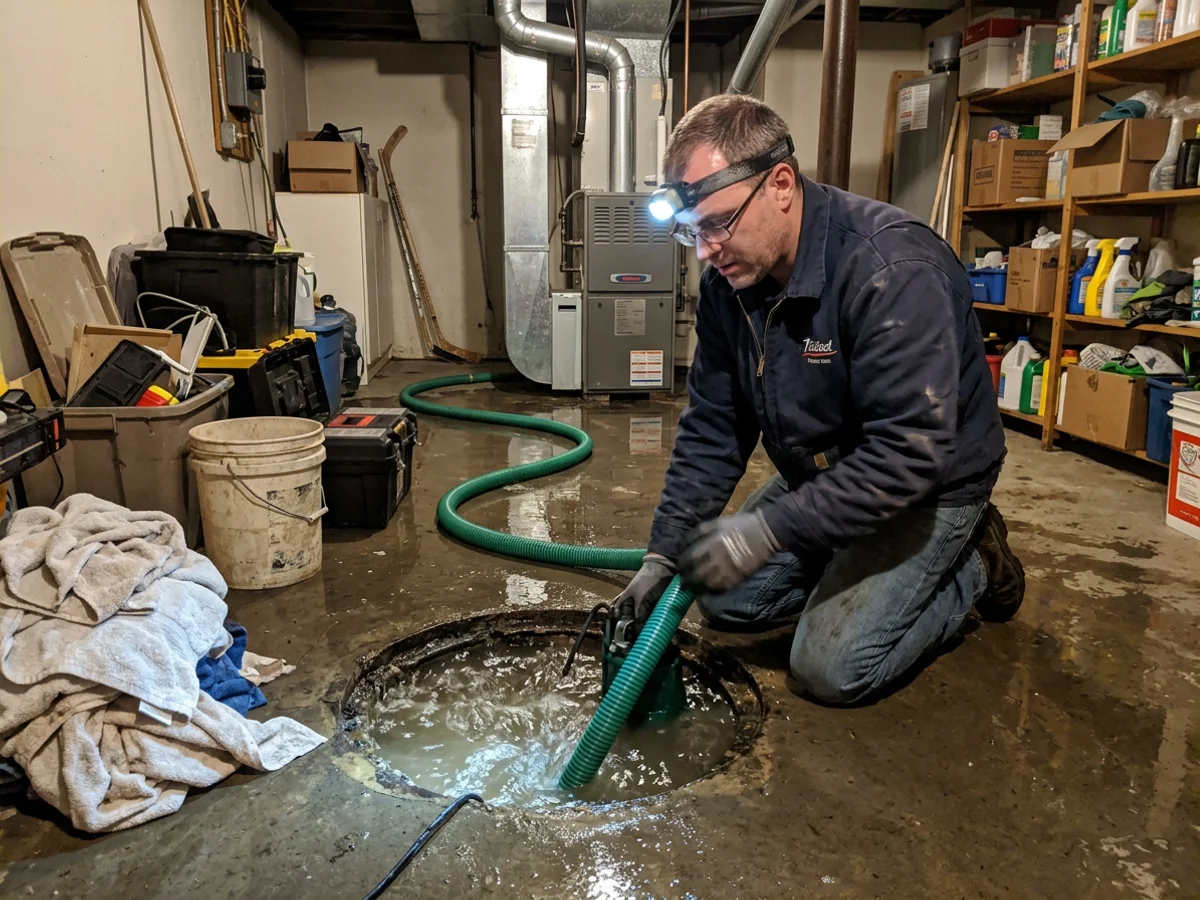
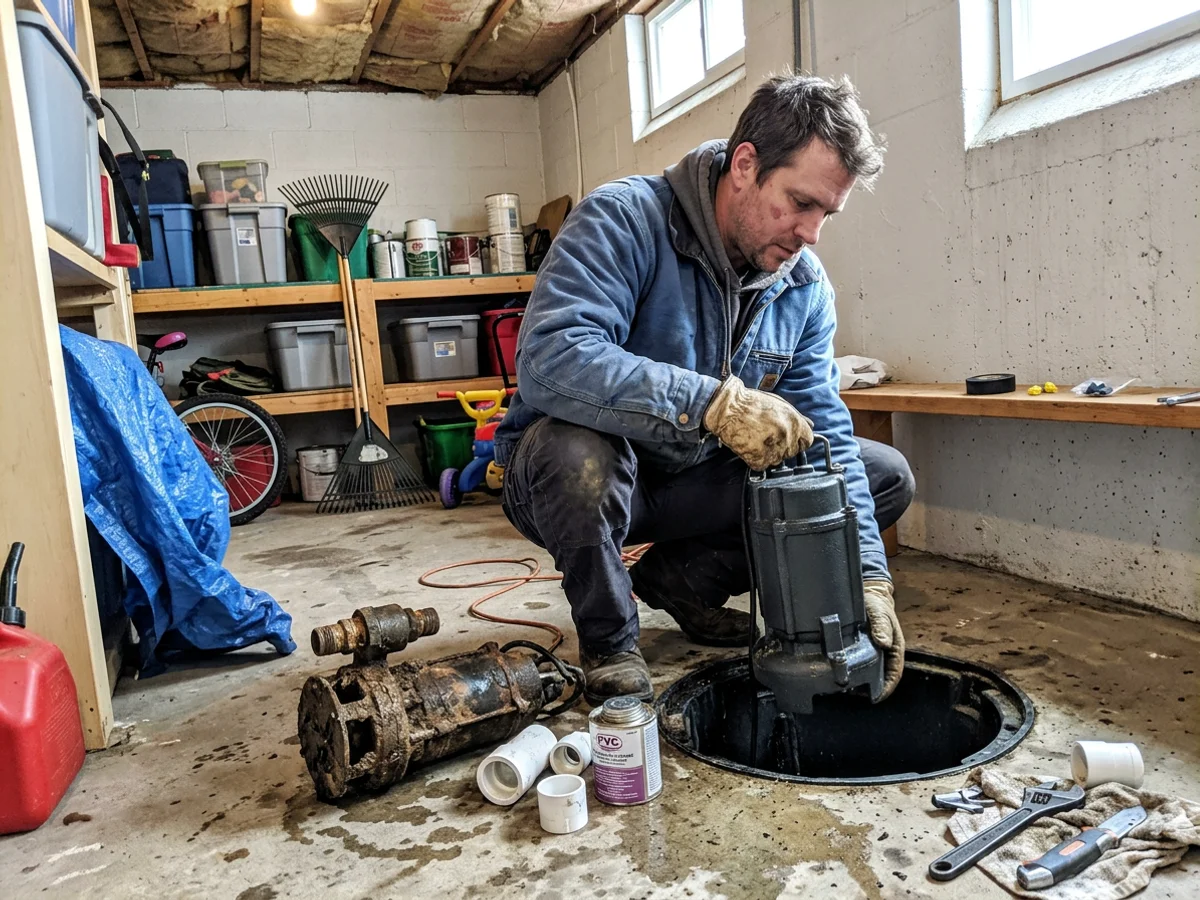
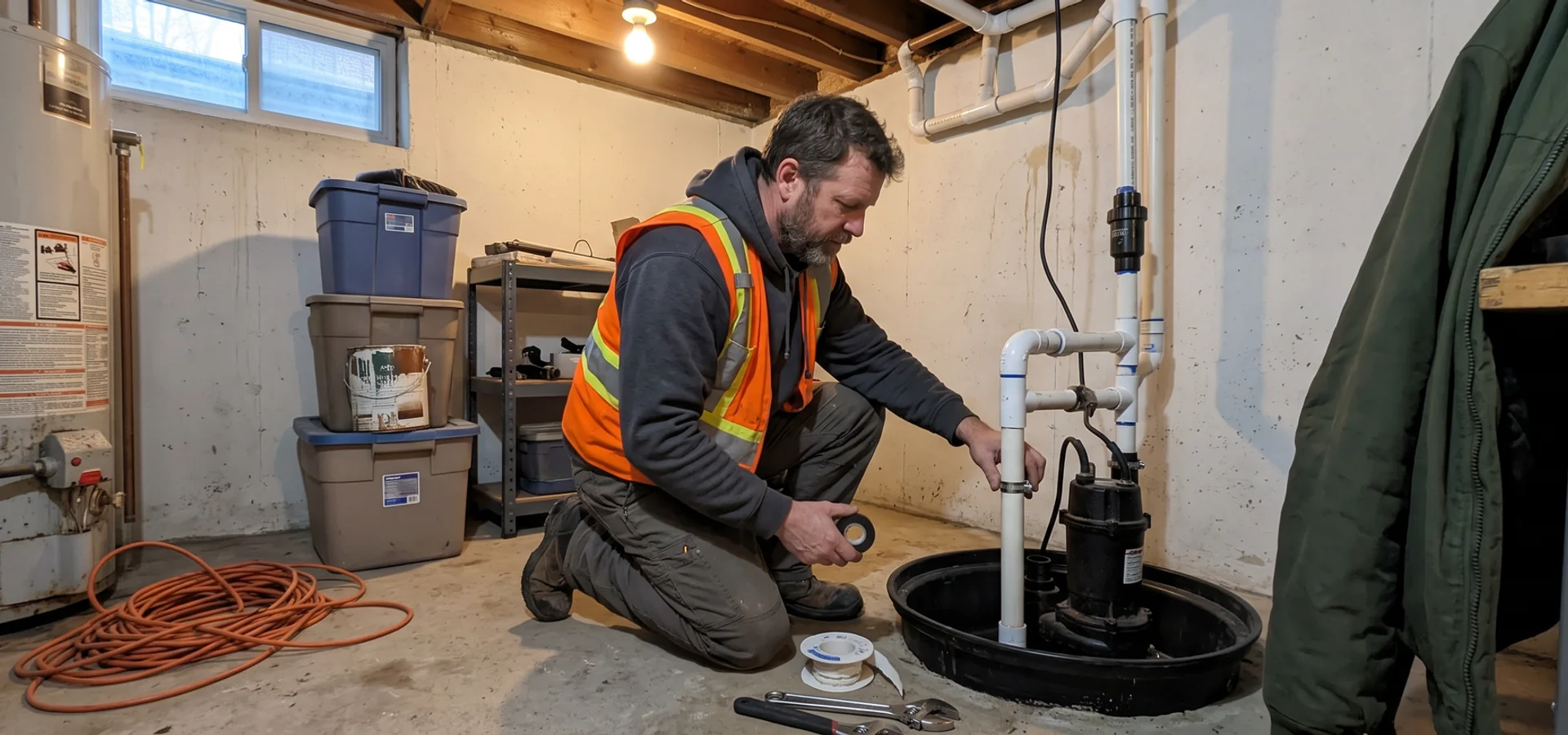
Have you ever noticed your pump running non-stop during a heavy spring storm? We completely understand how stressful that constant humming can be. A sump pump replacement simply means putting a new unit into the pit you already have.
This differs from a new interior sump pump installation, because there is no concrete slab to cut. Our sump pump installation team in Toronto usually finishes this straightforward job in just a few hours. The lower price tag directly reflects this simpler process.
We always look beyond the broken unit because a failed machine is often just a symptom of a larger issue.
Basin silt accumulation frequently clogs the intake screen. Our preparation includes inspecting the basin wall and clearing the discharge line before anything else. A worn check valve lets water fall back down and causes the motor to short cycle.
Our standard replacement process includes these critical steps:
- Confirming the dedicated electrical circuit.
- Installing an upgraded cast iron unit.
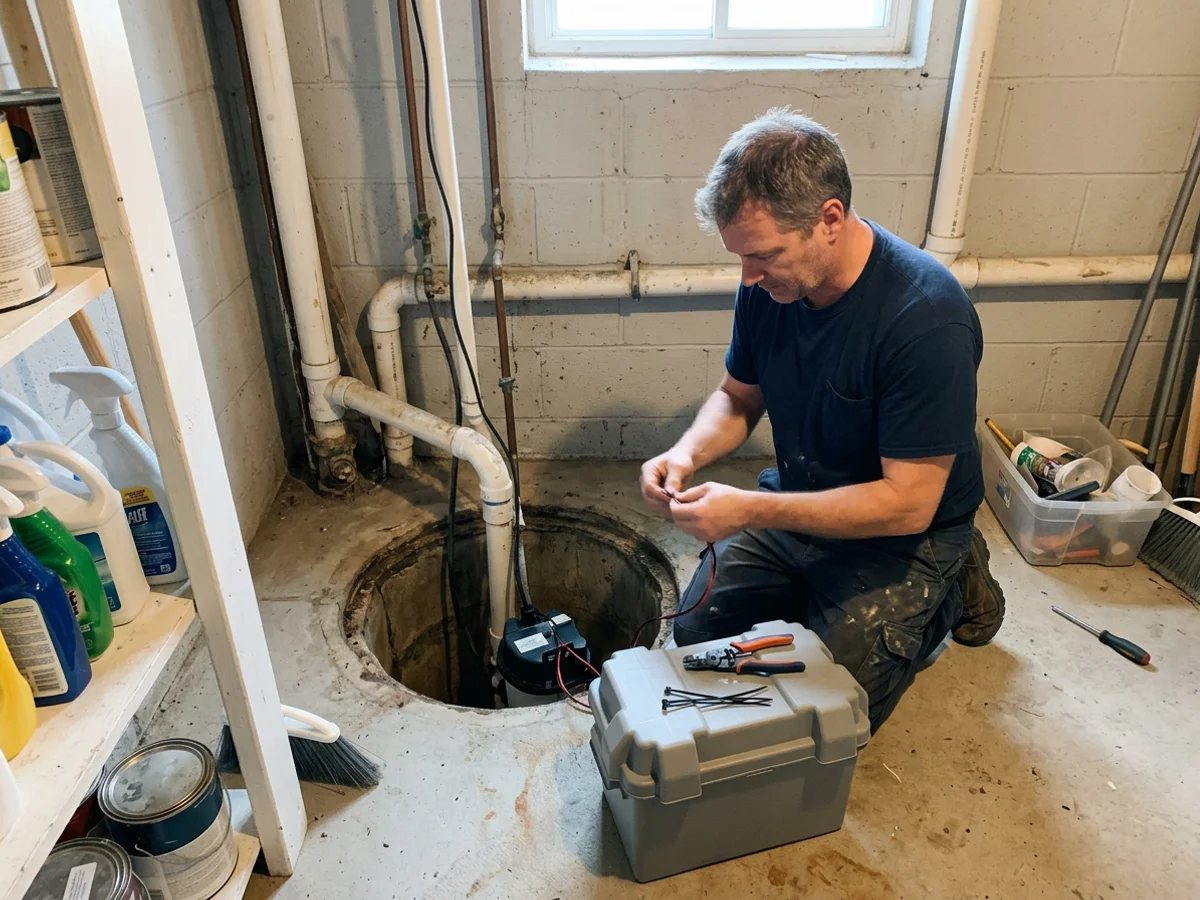
- Adding a brand new vertical float switch.
- Fitting a secure union check valve.
Washing out the basin and running a drawdown test finishes the job perfectly. We leave your basement clean and fully protected from the next heavy rainfall.
Signs Your Sump Pump Has Failed
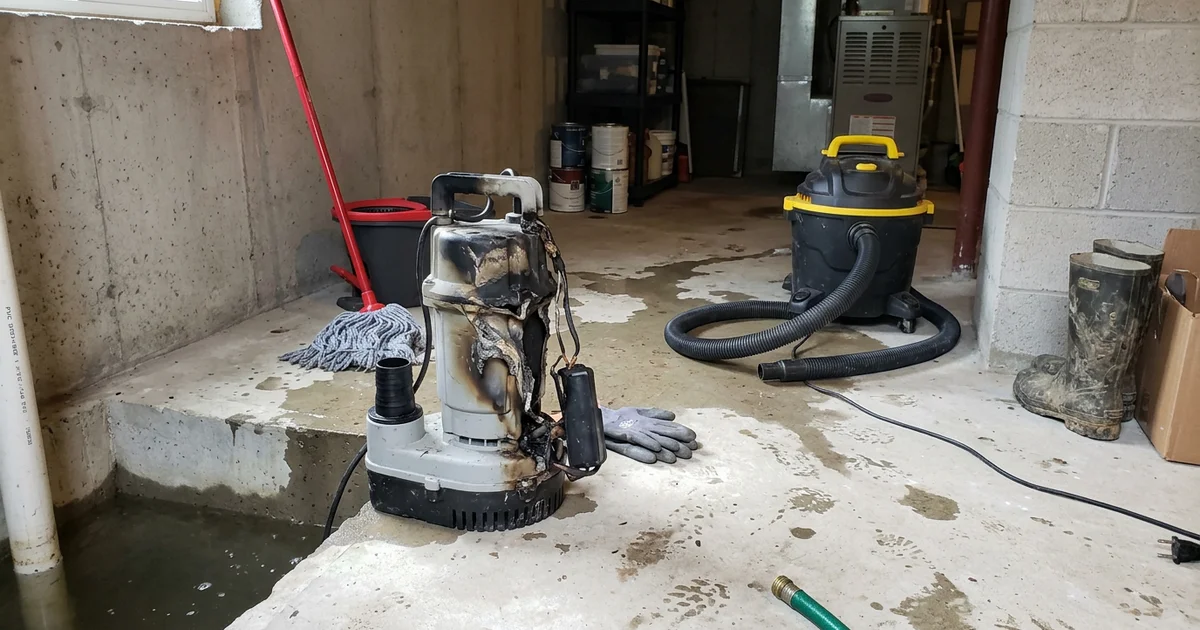
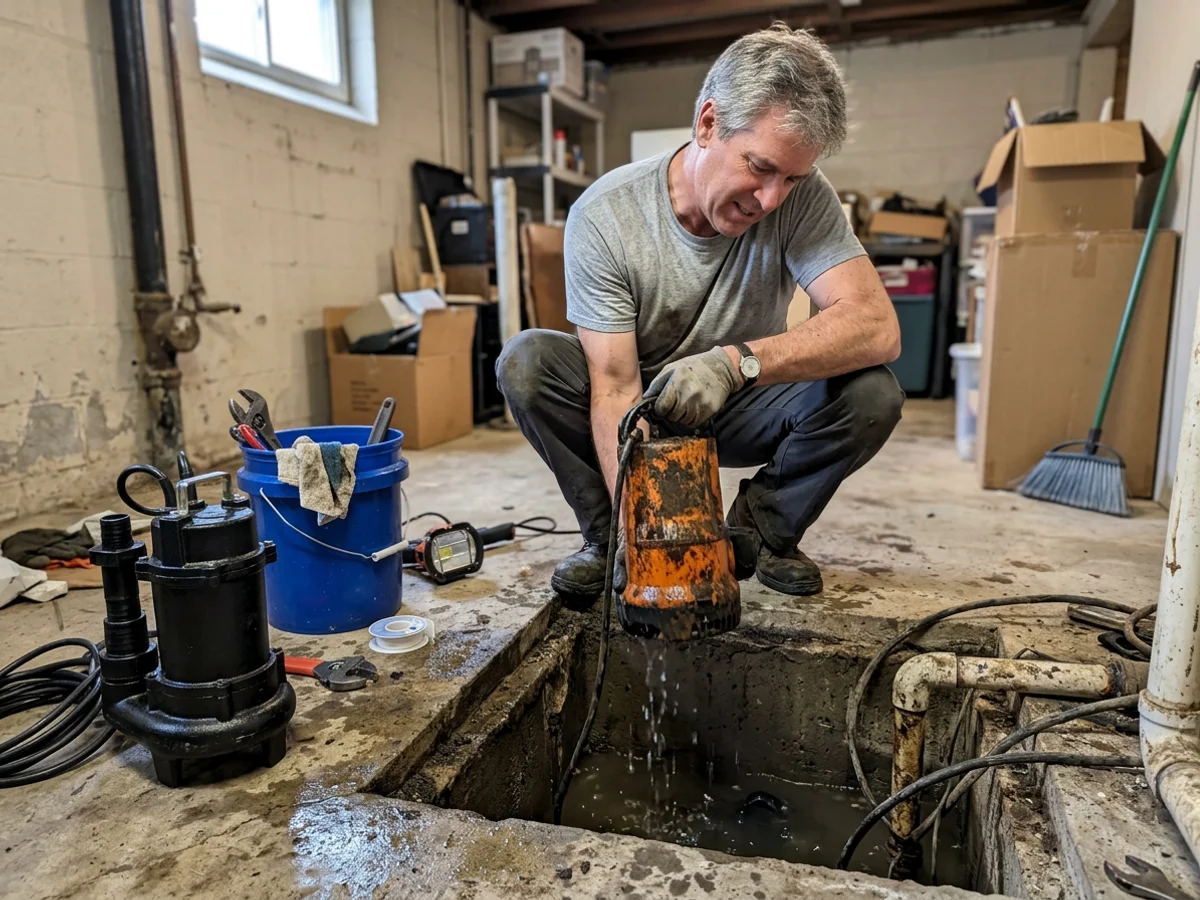
Catching a problem early saves you from a massive cleanup headache. We see countless plastic models fail after just one or two years of use. Upgrading to a solid cast iron model typically extends that lifespan to five or ten years.
Our technicians often find that a cheap broken check valve is the real culprit behind a burnt-out motor. Replacing a faulty fifty-dollar part on time prevents the need for a completely new system.
| Sign | What it usually means |
|---|---|
| Short cycling, on and off every few seconds | Float fatigue, bad check valve or oversized pump |
| Motor too hot to touch | Overworked pump, thermal overload tripping |
| Grinding, rattling or check valve slam | Damaged impeller or worn check valve |
| Rust on the housing or discharge | Age, often a pump past its service life |
| Pit drains slowly | Partial clog, worn impeller, discharge restriction |
| Motor hums, no water moves | Impeller seizure or air-lock |
Why Sump Pumps Burn Out
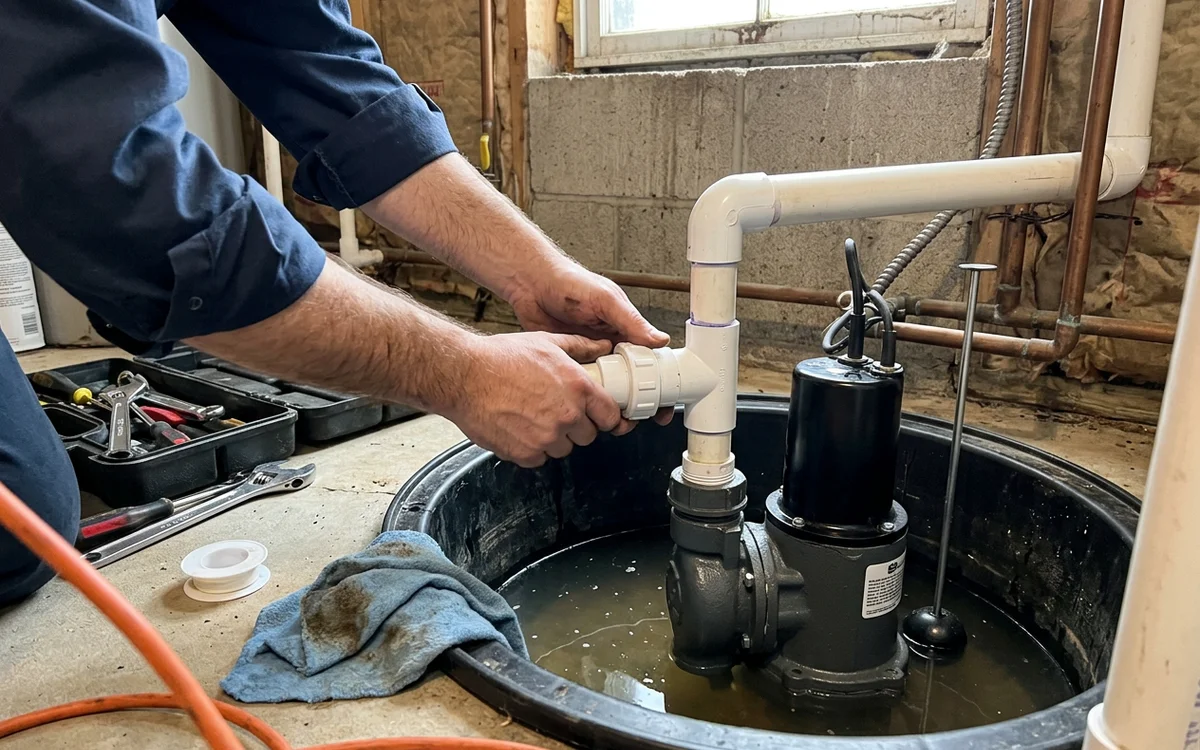
Most failures pulled out of Toronto basements are cheap plastic models that ran too long and too hot. We know that intense storms put immense pressure on your home drainage. A pump might cycle every minute during a major 24 to 48 hour weather event. Our experience shows that a plastic housing simply cannot shed that heat well enough.
Several distinct factors cause these systems to overheat and fail:
- Poor Heat Dissipation: Plastic casings trap heat, causing stator windings to burn out quickly.
- Hydrostatic Pressure: The heavy clay soil in the Greater Toronto Area holds water against your foundation, forcing the motor to work harder.
- Extreme Weather Events: The September 2026 storm dropped 110 millimetres of rain on the city, overwhelming standard setups.
- Thermal Overload: Frequent tripping eventually stops the motor entirely when you need it most.
Water damage now accounts for roughly 48 percent of all home insurance claims in Ontario. We wrote about why this specific problem keeps growing in our recent news piece, Toronto Basement Flooding in 2026: Why Sump Pumps Burn Out Faster Now. Upgrading your equipment protects your basement from these unpredictable climate shifts.
Types of Replacement Pumps
Choosing the correct unit dictates how dry your basement stays during the spring thaw. We rely on solid cast iron submersible units as our default recommendation. Models like the Zoeller M53 or M63 and the Liberty 257 or LE51 are perfectly sized to your pit.
Our testing shows these units run quieter, stay cooler, and last significantly longer. The Zoeller M53 moves a reliable 2,580 gallons per hour. We also highly rate the Liberty 257 because it moves 2,640 gallons per hour and features a highly accurate vertical magnetic float. See our submersible sump pump page for the full comparison of these top-tier options.
High-Flow and Pedestal Options
High-flow 1/2 HP units are essential for pits that fill rapidly near the lake, ravines, or in heavy thaws. We install these stronger motors where the discharge line lifts water more than 10 feet vertically. Pedestal models are still available if you strictly prefer that older style.
Our clients almost always upgrade to a submersible unit when their old pedestal dies. Pedestal engines retain more heat because they cannot be immersed in cooling water. We want your new system to handle the worst weather without breaking a sweat.
What Drives Replacement Cost?
Many property owners wonder exactly what goes into the final bill for a new installation. We keep our pricing transparent because a quality pump is the cheapest flood insurance you can buy. The average professional cleanup for a flooded Toronto basement in 2026 easily ranges from $2,500 to $10,000. Our upfront costs depend heavily on the specific condition of your existing pit and discharge line.
| Cost factor | Lower end | Higher end |
|---|---|---|
| Pump | 1/3 HP cast iron | 1/2 HP high flow |
| Check valve and discharge | Simple swap | Retrofitted discharge coupling, reroute |
| Basin | Sound, needs a wash | Silted, needs repairs or a sealed lid |
| Timing | Booked visit | Same-day storm or pre-sale call |
Upgrading to a 1/2 HP high-flow motor naturally costs more than a standard 1/3 HP model. We also factor in any required retrofits, like fixing a silted basin or installing a sealed lid. Emergency same-day calls during a storm carry a premium compared to a standard booked visit.
Selling Your Home Soon?
A failed unit is one of the most common things a home inspector flags in a Toronto basement. We frequently get emergency calls from sellers who just failed an inspection due to a stuck float switch. The Canadian Association of Home and Property Inspectors warns that even a few inches of standing water indicates serious risk.
Inspectors specifically look for these common red flags during a walkthrough:
- Stuck Float Switches: A switch that will not trigger means the system is useless.
- Broken Check Valves: Water falling back into the pit causes constant short cycling.
- Outdated Plastic Units: Older plastic models lack the reliability of modern cast iron systems.
- Unsealed Lids: Open basins allow hazardous radon gas and excess moisture into the basement.
Our thorough inspection, flow test, and written report answer the buyer’s questions before they even ask. A quick fix saves you from stressful price negotiations at the closing table. We provide a same-day replacement in your existing pit to keep your closing date completely on track. Call us today to schedule a reliable sump pump replacement so the new owners can start their journey with total peace of mind.